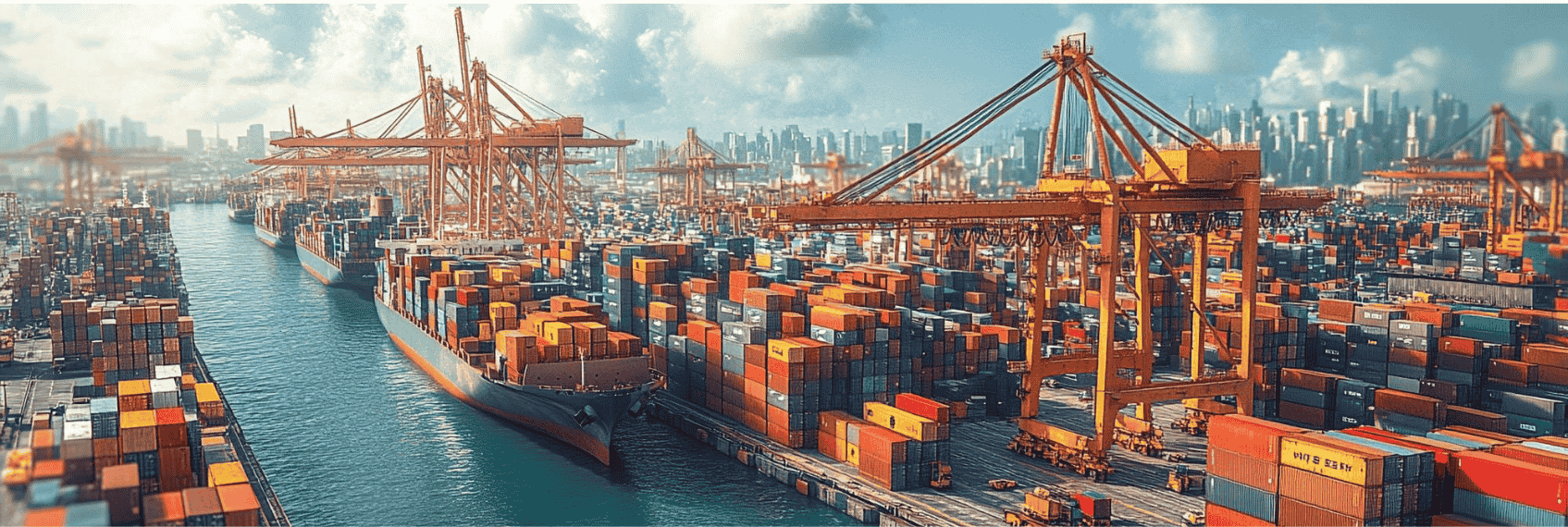
India’s export engine has just received an unprecedented boost. In early 2026, the country clinched two landmark trade agreements within the span of a week, marking a historic moment in global trade. The India-EU Free Trade Agreement (FTA), hailed as the “Mother of all deals,” and the strategic India-US trade breakthrough, called the “Father of all deals,” together unlock a combined market of over 1.2 billion consumers for Indian exports.
These deals dismantle long-standing tariff barriers, offering Indian businesses a structural advantage and presenting a compelling opportunity for investors in export-driven sectors.
Concluded on January 27, 2026, after nearly two decades of negotiations, the India-EU FTA is a transformative milestone. The European Union has agreed to eliminate duties on 99.5% of Indian exports by value. This means that Indian goods, which previously faced tariffs ranging from 10% to 26%, notably textiles and seafood, can now enter Europe duty-free.
For India, this levels the competitive landscape against rivals such as Bangladesh and Vietnam, who had long enjoyed preferential access to the EU market. Exporters of textiles, apparel, seafood, chemicals, and leather products now have a significant opportunity to expand market share, increase volumes, and improve profitability.
Announced on February 2, 2026, the India-US trade agreement marks a dramatic reversal of trade tensions between the two countries. The US has reduced effective tariffs on Indian goods from highs of around 50%, including punitive tariffs, to 18%. While not a full zero-duty FTA, this steep reduction significantly enhances the competitiveness of Indian exporters in sectors such as auto ancillaries, gems and jewellery, and specialty chemicals.
By lowering trade friction, the US deal positions India as a “China+1” partner in the global supply chain, attracting orders from American manufacturers seeking alternatives to China while maintaining quality and reliability.
The double benefit: Zero duty in EU (was 10-12%) + Reduced tariffs in US.
Textiles are the highest employment generator and historically the most tariff-sensitive sector. The EU deal alone could boost apparel exports by 20-25% in the next three years.
The US Play: Tariffs slashed on components makes India the preferred "China+1" partner.
Global OEMs are increasingly looking to India for precision components. The US tariff cut from 50% to 18% is a massive catalyst for order inflows.
The EU Play: Tariffs slashed from 26% to 0%.
Indian shrimp exports faced a steep 26% handicap in Europe compared to zero-duty nations. That wall has fallen.
The US Play: Relief from high legacy tariffs.
This liquidity-driven sector was hit hard by US tariffs. The reduction to 18% revives the arbitrage for Indian cut & polished diamonds.
The EU Play: Zero duty on 97.5% of chemical products.
Europe is a major consumer of Indian specialty chemicals and agrochemicals.
The EU Play: Level playing field with Vietnam.
The convergence of the "Mother" and "Father" deals creates a rare structural bull run for Indian exports. The specific stocks listed above are not just speculative plays; they are businesses with established global supply chains that have just been handed a massive competitive advantage by government policy.

Are H2O2 manufacturers sensing a good run ahead?
4 min Read Apr 30, 2021
Recovery may be underway; but markets might be reflecting it already
4 min Read Oct 17, 2020
Prime time theme: the nation wants to grow
5 min Read May 8, 2020
Securities and Exchange Board of India Revises Gold, Silver ETF Valuation Norms from April 1, 2026
4 min Read Feb 27, 2026
Govt Mandates 20% Ethanol-Blended Petrol from April 1, 2026; Key Stocks in Focus
4 min Read Feb 27, 2026
Tejas Networks Share Price Jumps 26% on NEC 5G Massive MIMO Order Win
4 min Read Feb 27, 2026
NSE International Exchange Launches Global Access for Direct US Investing: Know How It Works
4 min Read Feb 26, 2026
IRFC Share Price Falls as Government Caps OFS at 2%; Secures $400 Million ECB
4 min Read Feb 26, 2026
For android only