Summary:
Indian auto component makers Sona Comstar, Gabriel India and Varroc Engineering are expanding into electric powertrains, driver-assistance systems, seating and battery solutions through overseas partnerships. Their financial impact will depend on implementation, customer orders, production scale and profitability.
Why are Sona Comstar, Gabriel India and Varroc Engineering stocks in focus?
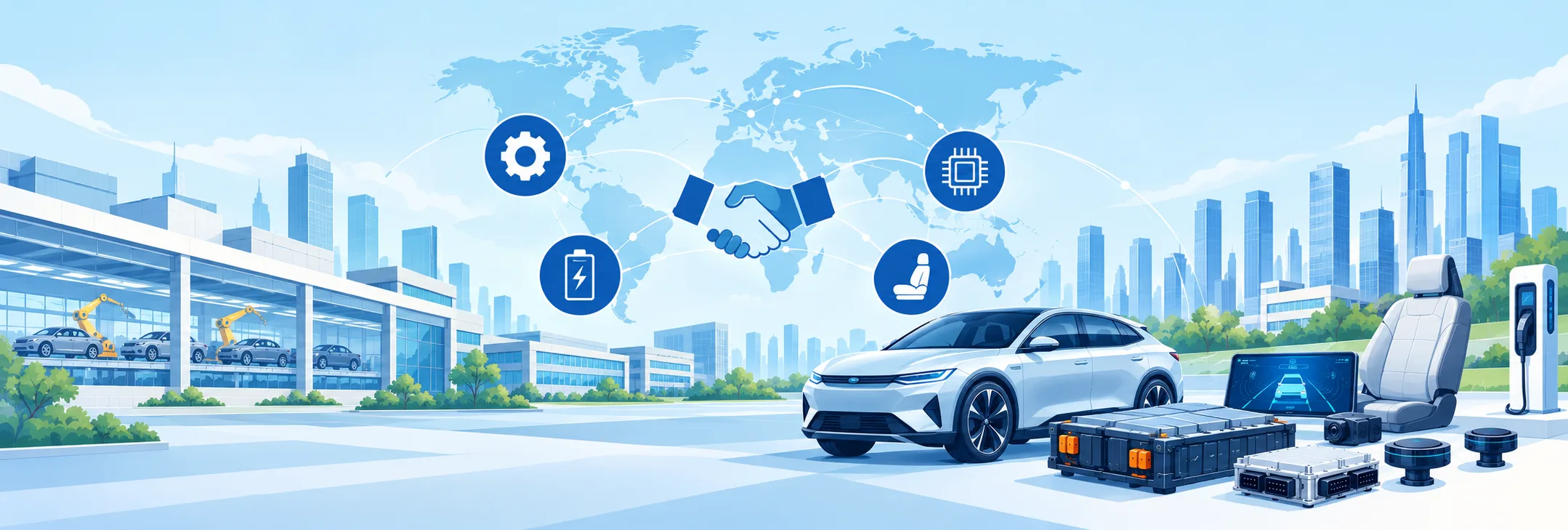
Indian auto-component manufacturers are entering new partnerships with overseas technology suppliers as carmakers demand more electronics, safer vehicles, and electric powertrains. Sona Comstar, Gabriel India and Varroc Engineering feature among the recent announcements, covering technologies beyond traditional mechanical components.
Explore auto ancillary stocks
Sona BLW Precision Forgings, known as Sona Comstar, signed definitive agreements with Japan’s DENSO Corporation in July 2026 to establish two joint ventures. The planned operations cover development, design, production, and marketing of electric and hybrid powertrain systems for multiple vehicle classes.
Gabriel India announced a partnership with South Korea’s HL Klemove in August. It involves an equity participation in an Indian joint venture for advanced driver-assistance systems (ADAS) and automotive electronics. ADAS applications include sensors, control functions, and features that assist drivers; market adoption will depend on vehicle specifications and pricing.
In October, Gabriel and France-based FORVIA also announced a seating partnership. Their proposed entity will focus on seat frames and complete seats, with FORVIA holding a controlling 50% plus one share and Gabriel holding the remaining interest. These are different ventures addressing separate product categories.
The partnerships highlight how listed auto-component manufacturers are expanding beyond conventional mechanical parts into electrification, automotive electronics and integrated vehicle systems. For investors, the important questions are whether these arrangements secure customer programmes, require significant upfront investment, and generate sustainable revenue and margins once production begins.
Electronics and Batteries Add Another Layer
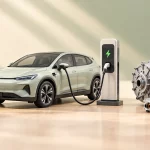
Varroc Engineering is also widening its technology base. On October 16, 2026, it announced a proposed venture with France’s Forsee Power for electric-vehicle battery solutions in India. Varroc is expected to have management and operational control, subject to implementation of the announced arrangement.
These collaborations reflect a wider change in component sourcing. Automotive suppliers increasingly have to deliver software-linked hardware, high-voltage systems and integrated modules alongside familiar products such as gears, dampers and metal parts.
Why Indian Manufacturers Are Looking Abroad
Foreign partners bring existing designs, testing experience and intellectual property, while Indian manufacturers contribute factories, vendor networks and relationships with domestic vehicle makers. Local production can reduce certain import dependencies, but it also requires tooling expenditure, qualification tests and production ramp-ups.
Several categories may take years to reach scale. ADAS penetration depends on customer acceptance and regulation. Electric-vehicle battery programmes depend on model launches, cell procurement and the economics of assembly. Hybrid technology has different demand drivers from fully electric vehicles.
Explore automobile stocks
What These Partnerships Could Mean for Auto Stocks
For Sona Comstar, the key variables are how its DENSO ventures add orders, operating assets and recurring revenue. Gabriel’s expanded product range may diversify its business, although its returns will depend on the economics and timing of the partnerships. Varroc’s battery initiative could enlarge its addressable market, but investment and execution costs matter.
Other listed component suppliers could encounter both new sourcing opportunities and increased competition. Investors can assess order wins, capital commitments, ownership terms, margins and commissioning schedules as companies report them.
The tie-ups establish a route to new capabilities, not guaranteed sales. Their financial contribution will emerge through deliveries and company filings over subsequent quarters. Until commissioning and customer nominations are disclosed, these partnerships remain capability-building steps rather than measurable additions to sales or profits in any particular quarter.