Summary:
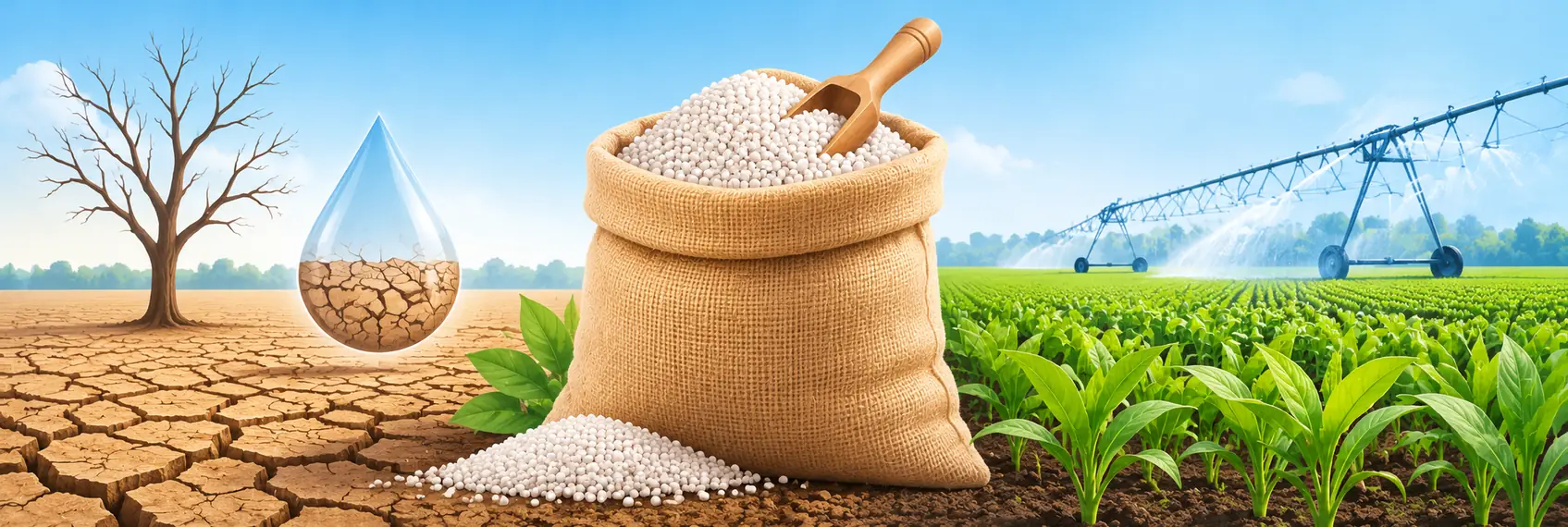
India's rabi fertiliser demand could recover in FY27 as higher government subsidies improve affordability of complex fertilisers. However, low reservoir levels, delayed winter crop sowing and water shortages in southern states may restrict consumption and affect fertiliser companies.
India’s fertiliser demand likely to improve during FY27 rabi season after weak kharif period. Higher government subsidies may make complex fertilisers affordable, encouraging farmers to return nutrients to the soil. But a slower start to sowing winter crops and lower water levels in reservoirs in parts of southern India could check the recovery.
What may increase demand for fertiliser?
High consumption of fertilisers during the rabi season is due to the need of nutrients by major crops such as wheat, mustard, gram and other winter crops during sowing and growth stages.
With winter cultivation gaining momentum, fertiliser demand could get a boost after a relatively weak kharif season.
Government subsidies are also essential to keep fertilisers affordable to farmers.
Higher subsidies can reduce the effective cost of some products, such as complex fertilisers that contain nitrogen, phosphorus, potassium and sulfur.
It can encourage farmers to use balanced nutrients instead of relying heavily on urea.
Demand is a function of agricultural conditions.
More fertiliser use needs good soil moisture, water for irrigation and sowing at the right time.
“Even if prices are cheap, farmers may choose not to plant or delay their applications if they don’t have enough water. That influences demand.”
Demand for Fertiliser for Rabi in India
India is one of the largest consumers of fertilisers in the world and continues to be heavily dependent on imported raw material for a number of products.
The government believes the country will need large amounts of fertiliser for the 2026-27 rabi season.
| Fertilizer Type | Approximate Quantity |
| Urea | 19.9 million metric tonnes |
| Di-ammonium Phosphate (DAP) | 5.5 million metric tonnes |
| Muriate of Potash (MOP) | 1.64 million metric tonnes |
| Complex NPKS Fertilizers | 7.9 million metric tonnes |
| Total | 34.94 million metric tonnes |
Urea is still the most commonly used fertiliser and the main source of nitrogen for crops.
DAP contains nitrogen and phosphorus; MOP contains potassium.
Complex NPKS fertilisers are mixtures of the main nutrients necessary for the growth of crops.
The consumption mix will depend on crop acreage, soil conditions, availability of fertiliser, and relative prices.
Water shortage is still a major problem
Water level in reservoirs has become the most important parameter for rabi season.
Water levels in 178 monitored reservoirs stood at about 121.9 billion cubic meters, down 27% from a year ago.
The divide is especially sharp in parts of southern India, especially Karnataka and Telangana.
Reduced water availability could impact irrigation and reduce demand for some nutrient-rich fertilisers.
Sowing activity has started slowly as well.
As of November 6, the wheat acreage was 1.97 mn ha, down 12% YoY. Area under rice fell by 3.1% and pulses by around 14.4% to 3.2 mn hectares.
The numbers show agriculture is not back in full yet.
Fertiliser Companies and What’s Next?
Some of the companies present in different segments of the fertiliser industry in India are Coromandel International (NSE: COROMANDEL), Chambal Fertilisers & Chemicals (NSE: CHAMBLFERT) and National Fertilisers (NSE: NFL).
Their performance depends on fertiliser usage, prices of raw materials, subsidy disbursal and production costs.
Sales volumes could be supported by higher demand during rabi, especially if sowing activity improves.
However, water availability may be weak and affect the timing and scale of purchases.
International prices for fertiliser and government policies on subsidies will also impact profitability.
“We’ll have a better idea of what’s ahead in the next couple of weeks going into winter sowing, and farmers get a better handle on irrigation conditions.”
Ultimately, demand recovery will depend on favourable weather, sufficient fertiliser availability and healthy crop cultivation.