Summary:
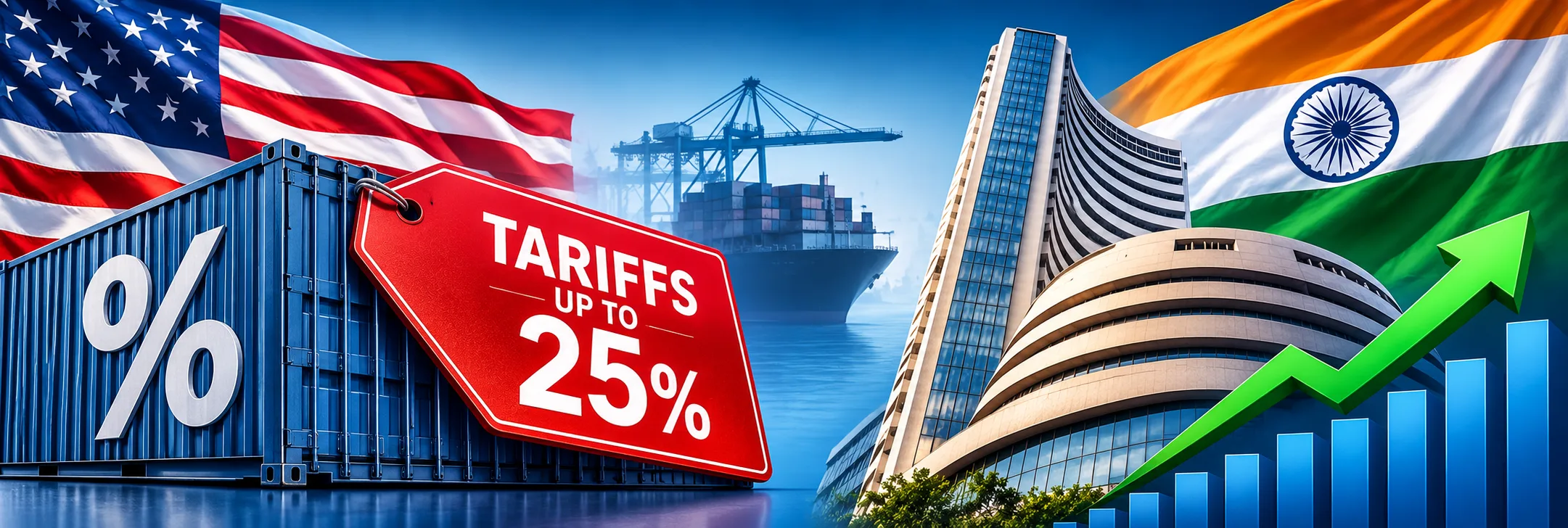
The US has proposed additional tariffs of up to 25% on imports from India under Section 301 investigations. Textiles, seafood, chemicals, automobiles and electronics companies could face uncertainty. A qualifying trade agreement could bring India's proposed tariff rate down to 17%.
Indian export-oriented companies are back in the limelight after the United States proposed fresh tariffs on imports from 14 economies including India under section 301 of the US Trade Act.
India could be hit with tariffs as high as 25% but a reciprocal successful trade deal could drop the proposed rate to 17%.
What has the U.S. proposed?
The United States Trade Representative (USTR) announced the results of the investigations into industrial production capacity and manufacturing policies of 14 economies on Nov. 25, 2026.
The investigation was initiated on March 11, 2026. It investigated whether the industrial policies and manufacturing practices of these economies were harming US commerce.
Proposed measures for India include additional tariffs up to 25% with adjustments and exemptions, where applicable. A tariff rate of 17% could be seen in India if it is able to negotiate a qualifying trade agreement with the United States.
These are proposed measures, not final tariffs that are already in effect.
The Indian government has taken note of the development and reaffirmed its position that India lacks structural excess manufacturing capacity in any sector.
Which Indian sectors could be impacted?
Companies exporting large volumes of merchandise to the U.S. may have uncertainty about product pricing, customer demand and profitability.
| Sector | Indian stocks to watch for |
| Textiles and apparel | Gokaldas Exports (GOKEX), Welspun Living (WELSPUNLIV) |
| Seafood | Avanti Feeds (AVANTIFEED) Apex Frozen Foods (APEX) |
| Chemicals | SRF (SRF) Aarti Industries (AARTIIND) |
| Auto stocks | Bharat Forge (BHARATFORG), Sona BLW Precision Forgings (SONACOMS) |
| Pharmaceuticals | Sun Pharma (SUNPHARMA), Dr Reddy's Laboratories (DRREDDY) |
| Electronics | Dixon Technologies (DIXON) Kaynes Technology (KAYNES) |
The real effect will depend on specific product tariff classifications, exemptions, geographical revenue exposure and existing manufacturing arrangements.
For example, pharmaceutical companies should not automatically be subject to the full proposed tariff rate, as product-specific exemptions and other trade measures may apply.
Export-Oriented Stocks: Why They May Face Pressure
Higher import duties raise the landed cost of products in the U.S. US customers may react by negotiating down purchase prices, switching suppliers or passing on added costs to consumers.
This could put pressure on operating margins of Indian exporters if they have to bear a part of the additional cost.
Generally, firms selling standardized products have less pricing flexibility than those selling specialized components or differentiated products.
Manufacturers with facilities in more than one country may also have more flexibility in reorganizing their supply chains.
But the proposed tariffs are more than India. Competitiveness will also be a function of the relative taxation of Indian products compared to other exporting countries.
What does it mean for the Indian equity market?
US continues to be a key export destination for Indian firms. Long-term trade uncertainty could impact corporate investment decisions, export orders and foreign capital flows.
Those sectors that are more domestically oriented may have relatively little direct exposure to merchandise tariffs. But these companies could also be hit by wider changes in investor sentiment and currency moves.
For software services, the concept of merchandise import duty does not apply directly, hence information technology services should be evaluated separately.
The immediate problem isn't that costs are rising, it's that they may. The actual financial impact on Indian businesses will depend on what the final tariff structure will be, what exemptions will be granted and how far the US and India move toward a trade deal.