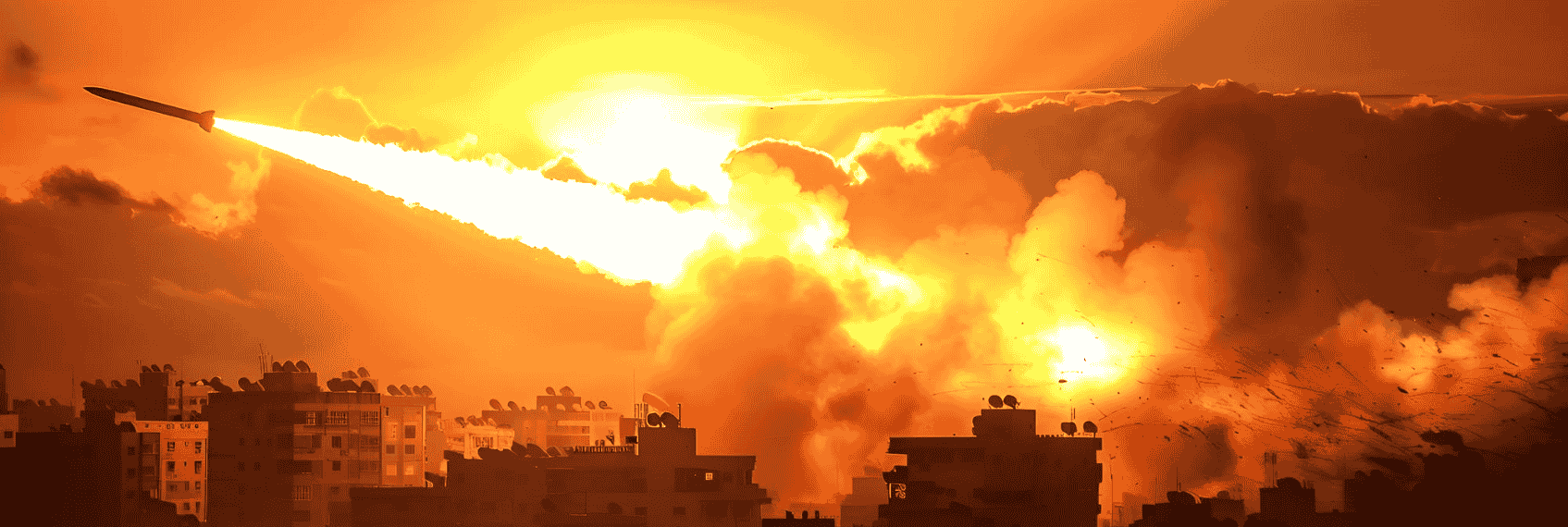
The US–Israel strike on Iran on February 28, 2026, and Iran’s swift retaliation have pushed the region into a high-risk, risk-off setup. The immediate market transmission for India is crude oil and LNG: the Strait of Hormuz is reportedly highly disrupted, and that chokepoint handles roughly 20% of global oil and LNG flows. With India importing ~85–90% of crude and ~50% of LNG and a meaningful share of those cargoes moving via Hormuz, any prolonged disruption can lift crude oil prices higher, widening the current account deficit, pressure the rupee, and complicate the inflation-and-rates trajectory.
From an equity lens, the first reaction is usually broad selling with sharp sector rotation: cost pressures hit importers and fuel-intensive businesses, while upstream energy and defence names tend to get relative support.
Below is a sector-and-stock map based on the channels highlighted in the note.
Sectors likely to face near-term headwinds
1) OMCs and downstream refiners
Higher crude typically compresses margins when retail price hikes are politically constrained. India’s petrol and diesel prices still carry COVID-era tax buffers, which can delay pass-through until Brent sustains above ~$95–$100—meaning GRMs and marketing margins can take the hit first.
Stocks to watch: IOCL, BPCL, HPCL.
2) Aviation and airlines
This is a double whammy: airspace disruptions across parts of the Gulf and higher ATF prices. Even if passenger demand holds, costs can rise faster than yields.
Stocks to watch: IndiGo, SpiceJet.
3) Travel and tourism
Security advisories and rerouted flights can dent inbound travel from GCC countries. Domestic tourism may hold up better, but listed hospitality names can still see a sentiment-led downtick.
Stocks to watch: IHCL, EIH, Lemon Tree Hotels, Chalet Hotels, ITC Hotels.
4) Logistics, ports and transport
Fuel is a direct cost driver, while regional instability can disrupt routing and timelines. Ports may see mixed outcomes: volumes can be resilient, but freight uncertainty and risk premia can rise.
Stocks to watch: Container Corporation (CONCOR), Adani Ports.
5) Tyres, paints and chemicals
Crude derivatives are key raw materials here. If input costs rise and pricing power is limited, operating margins can get squeezed.
Tyres: MRF, Apollo Tyres, CEAT
Paints / linked chemicals: Asian Paints, Berger Paints
6) Automobiles and ancillaries
Sustained higher fuel prices can weaken consumer sentiment and raise input inflation. The pressure increases if crude stays above $100 for long (worst-case scenario).
Stocks to watch: Maruti Suzuki, Tata Motors, Mahindra & Mahindra, Eicher Motors.
7) FMCG and consumption
Fuel-led inflation raises logistics and packaging costs, while squeezing discretionary spending. Even staples can see margin pressure if cost inflation is sticky.
Stocks to watch: Hindustan Unilever (HUL), ITC, Nestlé India, Britannia.
8) Metals
Energy is a major cost line for metals. Higher power/freight costs and slower risk appetite can weigh on the group.
Stocks to watch: Tata Steel, JSW Steel.
9) Banks and financials
If inflation risks rise, RBI rate cuts can get pushed out. In risk-off moves, bond yields often fall (bond prices rise), which can support treasury gains—particularly for banks with sizeable G-sec holdings—yet equity valuations can still cool due to uncertainty and slower credit sentiment.
Stocks to watch: HDFC Bank, ICICI Bank, Axis Bank, and among PSBs SBI.
Sectors that can benefit or hold up better
1) Upstream oil and gas (exploration and production)
Higher crude realizations generally lift earnings for producers, making them classic “relative beneficiaries” in an oil spike.
Stocks to watch: ONGC, Oil India, Vedanta (oil exposure), Hindustan Oil Exploration Company (HOEC).
2) Integrated energy
Integrated players can show resilience because strengths in one segment can partially offset volatility elsewhere (upstream/NG exposure plus refining and petrochem).
Stock to watch: RIL often trades as a relative outperformer during commodity-led rotations.
3) Defence and military equipment
Heightened geopolitical tension tends to boost defence sentiment and can support expectations around orders and capex.
Stocks to watch: HAL, BEL, BDL, Mazagon Dock Shipbuilders.
4) Gold and silver (safe havens)
Safe-haven flows typically lift precious metals in geopolitical shocks. The note flags gold jumping sharply late Friday (around $5,275 from $5,166 earlier in the session) as tension built.
Stocks to watch: Titan (though jewellery demand can be a mixed bag when inflation rises), and Vedanta and Hindustan Zinc (often discussed for broader metals exposure; silver sensitivity is sometimes cited by traders).
Defensive or mixed pockets
Information Technology
A weaker rupee can support IT exporters, and earnings visibility can make the sector relatively defensive when broader equities de-risk.
Stocks to watch: TCS, Infosys, HCL Technologies, Wipro.
Pharmaceuticals
Pharma typically has steadier demand and is less directly tied to crude. A weaker INR can also help export realisations.
Stocks to watch: Sun Pharma, Dr. Reddy’s, Cipla.
Key market variables to track (because they set the tone)
- Brent levels around $95–$100: this zone matters for India because retail fuel pricing is politically sensitive; margins get stressed if crude rises but pump prices don’t.
- Strait of Hormuz functionality: even without an “official” closure, disruption alone can lift freight costs and supply risk premia.
- USD/INR and bond yields: a weaker rupee and falling yields can reshape sector leadership quickly.
- Export disruptions to GCC: delays/cancellations (including items like frozen foods) can show up in select exporters and logistics chains.
Conclusion
For Indian equities, this episode is primarily an oil-and-risk-aversion shock: it hurts fuel-sensitive and margin-sensitive sectors first, while upstream energy, defence, and select defensives tend to see relative support. The path from here will be set by how long Hormuz stays disrupted and whether crude holds elevated levels long enough to feed into inflation, the rupee, and RBI expectations.