Summary:
IndiGo shares rose after its Q2FY27 net loss narrowed 27% year on year to ₹1,879 crore. Revenue and EBITDA improved, but higher fuel costs, lower passenger traffic and weaker operating indicators highlight ongoing challenges for the airline's profitability and outlook.
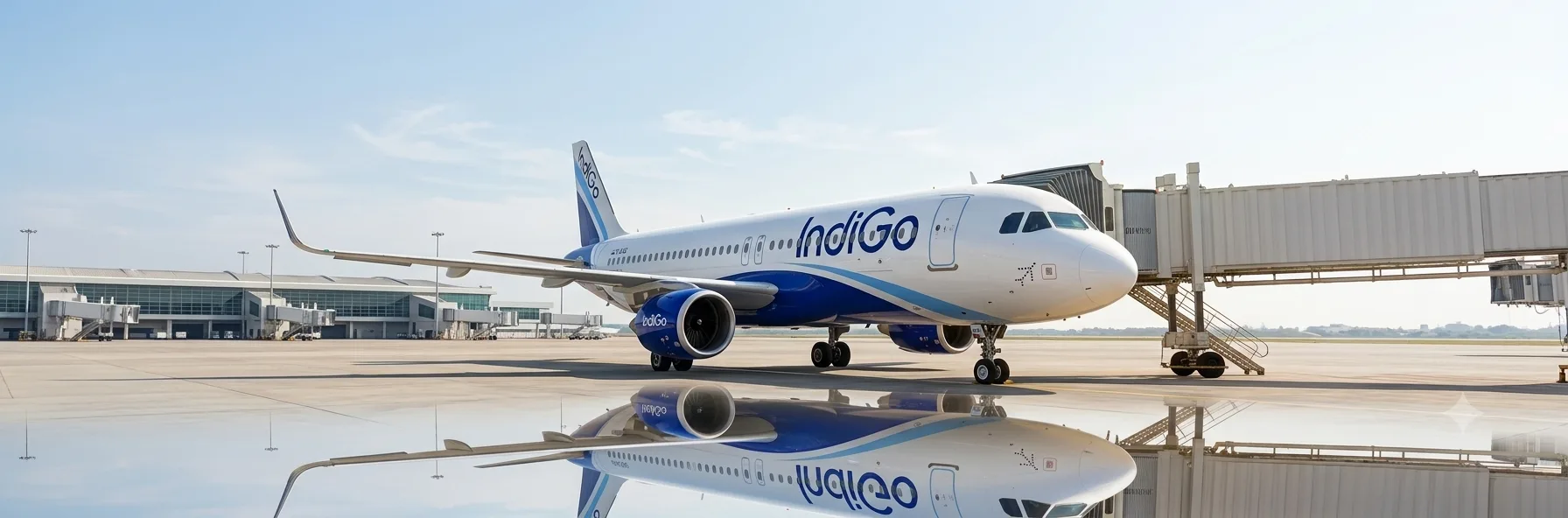
Shares of InterGlobe Aviation Ltd (NSE: INDIGO), the parent company of IndiGo, gained over 2% on Friday, October 30, 2026, after the airline reported a narrower net loss for Q2FY27. The IndiGo share price touched ₹4,762 on the BSE during early trading and later climbed as much as 4.15% to ₹4,869 on the NSE. Strong revenue growth and improved operating profitability supported the recovery, despite rising aviation fuel costs and pressure on passenger traffic.
IndiGo Share Price Today: Why Did the Stock Rise?
IndiGo shares gained after its consolidated net loss narrowed by approximately 27% YoY to ₹1,879 crore for the September quarter, compared with ₹2,582 crore in Q2FY26.
Three factors supported the share price rally.
1. Narrower Quarterly Loss: The company reduced its YoY losses despite higher fuel expenses and a weaker rupee. However, the loss widened significantly from ₹238 crore in Q1FY27.
2. Strong Revenue Growth: Revenue from operations increased nearly 26% YoY to ₹23,364 crore, supported by higher passenger fares and improved ticket yields.
3. Better Operating Profitability: EBITDA jumped 229% YoY to ₹1,908 crore, while EBITDA margin improved to 8.2% from 3.1% in the corresponding quarter last year.
IndiGo Q2 Results 2026: Key Financial Highlights
India's largest airline by market share reported strong revenue growth during Q2FY27, although profitability remained under pressure.
| Financial metric | Q2FY27 | Q2FY26 |
| Revenue from operations | ₹23,364 crore | ₹18,555 crore |
| EBITDA | ₹1,908 crore | ₹579 crore |
| EBITDA margin | 8.2% | 3.1% |
| Net loss | ₹1,879 crore | ₹2,582 crore |
| EBITDAR | ₹3,667 crore | ₹3,792 crore |
Despite improved EBITDA, EBITDAR declined approximately 3% YoY, indicating continued pressure on the airline's underlying operating economics.
Rising Fuel Costs Continue to Pressure Earnings
Higher aviation turbine fuel (ATF) prices remained a major challenge during the quarter. Fuel expenses increased approximately 67% YoY, while total expenses rose 19.2% to ₹26,357 crore.
Fuel accounted for nearly 38% of total expenses, making IndiGo particularly sensitive to changes in global crude oil prices.
The airline carried 27.5 mn passengers during Q2FY27, down 4.7% YoY. Available seat kilometres declined 1%, reflecting capacity adjustments.
However, passenger yield improved to ₹6.30 from ₹4.69 a year earlier, indicating that higher ticket prices helped support revenue despite lower passenger volumes. The passenger load factor declined to 80.3% from 82.5%.
What Lies Ahead for IndiGo Share Price?
IndiGo expects capacity growth in the low single digits during Q3FY27, with adjustments to its international network and a focus on maintaining passenger yields.
The December quarter could benefit from festive travel demand and higher ticket prices. However, elevated crude oil prices, rupee depreciation and aircraft operating costs remain important risks.
The latest quarterly results show improving revenue and a narrower YoY loss, but the company continues to face significant cost pressures. Sustaining higher fares while managing fuel expenses and passenger demand will remain important for IndiGo's financial performance in the coming quarters.