Summary:
Rising AI demand is pushing up global RAM and storage prices as chipmakers prioritise higher-margin memory products. This could squeeze margins for laptop, smartphone and electronics manufacturers, while benefiting memory and semiconductor companies. Indian electronics manufacturers may face higher input costs, whereas domestic semiconductor players could gain from stronger pricing and demand.
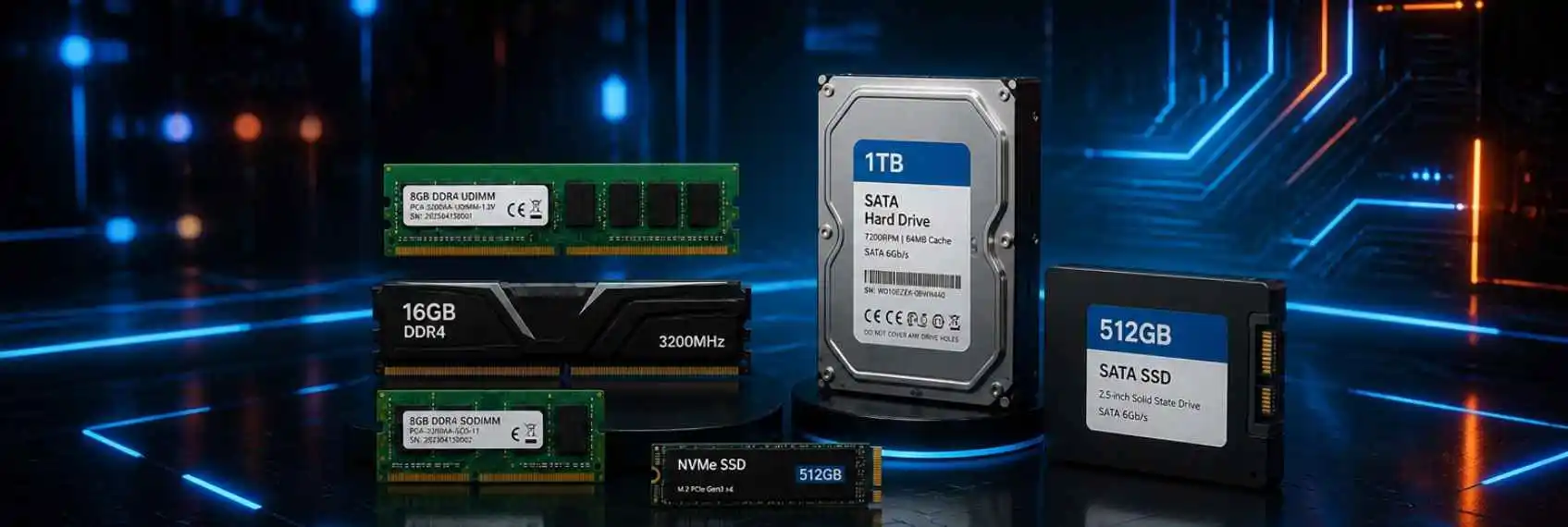
The global electronics industry is grappling with another supply-demand challenge as prices of memory content, including RAM and storage memory, have spiked in recent months. With a significant portion of the semiconductor supply being directed towards AI development, demand for memory has increased, impacting computer, mobile phone, and semiconductor manufacturers, among others.
Electronics Sector Stocks in India
Reason Behind The Increase In Memory Prices
The main reason behind the surge in memory prices is the demand for memory content for artificial intelligence applications. The increased adoption of large language models and AI applications requires huge amounts of computer memory, including high bandwidth memory and other advanced forms of memory like DDR5.
Memory manufacturers are shifting towards producing higher-margin products, including AI-driven solutions, thus cutting down on the production of standard memory chips and sticks. Therefore, the demand for laptops and smartphones is indirectly impacted as manufacturers of these products buy memory chips and sticks at higher prices.
While higher prices may be good for memory stick and chip manufacturers, the same cannot be said for other electronics manufacturers and firms that rely on cheap memory to make a profit.
Effect On Laptop, Mobile Phone And Computer Manufacturers
Computer memory, especially in the form of RAM, is a critical component in most electronic devices. Therefore, any increases in the prices of these components will inevitably affect manufacturers who will either have to accept lower margins if they do not pass the costs to the end-users or choose to make higher-margin products.
Manufacturers of cheap laptops and smartphones will be the worst hit as the costs of memory will constitute a significant percentage of the final price. Some manufacturers may be forced to cut costs on other components to maintain the quality of their products while others may choose to target the premium market. The higher prices of memory modules will also affect gaming consoles, servers, and network equipment among other electronics.
Semiconductor Firms May Realize Higher Margins
Higher prices of semiconductor memory will greatly benefit firms that manufacture memory chips and sticks. With most semiconductor manufacturers cutting down on supplies of standard memory, demand for their products has surged, raising prices and realizing higher profits.
Top Semiconductor Stocks in India
Semiconductor firms are also investing more in the production of advanced memory products in response to increased competition in the AI space. Contract manufacturing firms have also increased prices for specific semiconductors due to the demand for more specialized chips for AI applications.
Impact On The Indian Electronics And Semiconductor Space
The electronics manufacturing sector in India will feel the pain of higher memory prices, especially firms that deal in assembling mobile phones and other consumer electronics. Companies that export electronics products will also be challenged to maintain their profit margins due to the higher costs. However, the increased prices will benefit the domestic semiconductor market, including local memory manufacturers.