Summary:
Foreign investors have poured a record ₹1.22 lakh crore into Indian equities in November 2026. Financial services attracted nearly 51% of foreign equity purchases in the first fortnight, while continued FII buying has supported the broader market recovery.
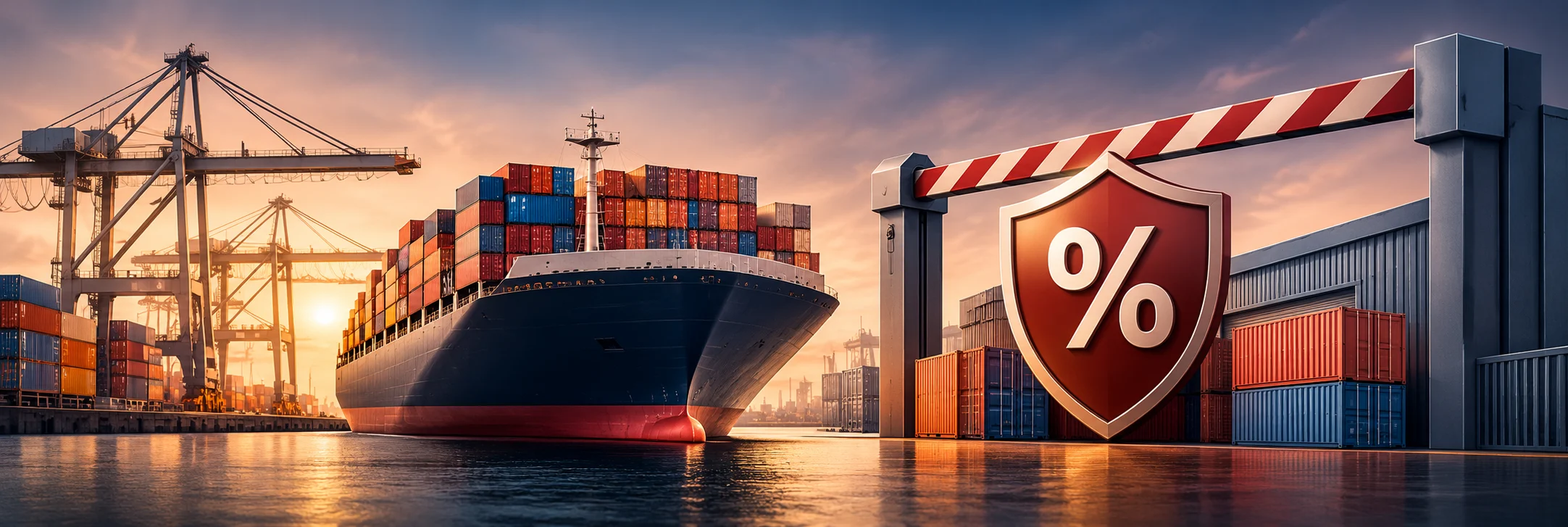
The United States has proposed tariffs of up to 25% on Indian goods, creating fresh uncertainty for Indian exporters. The proposal also permits a tariff rate of 17% if India and the US enter into a reciprocal trade agreement, making the ongoing negotiations crucial for Indian businesses.
What’s the Latest on US Tariffs?
US Trade Representative (USTR) has proposed the imposition of tariffs up to 25% on Indian goods under Section 301 of US trade law, with some exemptions and adjustments.
The proposal also includes a possible tariff rate of 17% if both countries come to an agreement on the issues raised during the trade investigation.
One big difference is that these are still proposals. The final implementation, timing and product coverage of these measures will depend on further decisions and trade negotiations.
Which Sectors In India Can Get Hit?
The United States is a key export destination for many Indian industries. Higher tariffs could increase the landed cost of Indian products and make them less competitive with goods from manufacturers in other countries.
| Sector | Impact Potential |
| Textiles and garments | - Export costs and pricing pressures |
| Engineering Goods | Pressure on margins and overseas orders |
| Auto parts | Sourcing decisions changes |
| Chemicals | Lower prices make you less competitive |
| Gems & Jewellery | Export demand may slow down |
| Pharmaceuticals | Impact conditional on product exclusions |
The real impact will vary widely from company to company. Manufacturers exporting solely from India may have different exposures than businesses with manufacturing facilities in the US.
Firms selling specialised products for which there are few substitutes can also be more flexible in bargaining over price with their customers.
Why Are Tariffs Important to Corporate Earnings?
Suppose an Indian manufacturer exports a product worth $100 to the US. Therefore, if the tariff is 25 % on the entire shipment, the extra customs duty would be $25.
The duty is normally paid by the US importer. But the financial burden could eventually be shared between the exporter, importer and end customer via adjusted pricing structures.
Indian makers could be compelled to give discounts to hold onto their customers. The pressure could hit operating margins, particularly in sectors with intense competition and relatively thin profit margins.
Higher tariffs could also affect future capital expenditure decisions. Companies may reconsider where they make goods, look for new places to export to or set up factories closer to big customers.
What can the stock market do?
The export-oriented companies are likely to experience higher volatility till there is clarity on the proposed measures.
Investors may focus on geographical exposure of revenue, order books, pricing arrangements and the ability of companies to absorb higher costs.
While companies focused on domestic consumption may not have much direct exposure, broader economic uncertainty may still affect their valuations.
Another big factor is the currency market. A weaker rupee could benefit some businesses by offsetting the impact of higher export costs, but it would also increase the cost of imported raw materials.
The proposed tariff structure adds a new layer of uncertainty for Indian exporters. The final impact on the finances will depend on the final agreement, the relevant exemptions and the timing of implementation. Until these details are available, the extent of the potential damage to individual companies cannot be established by the headline tariff rate alone.