Summary:
The RBI’s October 2026 MPC minutes highlighted widening inflation pressures from rising input and energy costs. The central bank raised its FY27 inflation forecast to 5.2%, while investors assess the outlook for interest rates, borrowing costs and economic growth.
The Reserve Bank of India (RBI) warned that inflation could spread more broadly across goods and services, indicating that more interest rate hikes could be coming. Minutes of the Monetary Policy Committee (MPC) meeting of October 5-7, 2026, released on Wednesday, October 21, showed growing concerns over higher input costs, rising crude oil prices and sustained domestic demand.
Earlier this month, the central bank raised the repo rate by 25 basis points (bps) to 5.50%, its first rate hike in nearly four years.
RBI MPC Minutes: Inflation Pressures Are Widening
The six-member MPC voted unanimously in favour of the October repo rate increase, but there were differences of opinion on the decision to change the monetary policy stance from neutral to calibrated tightening.
Four members supported the change, while two members opted to remain neutral to preserve flexibility in an uncertain economic environment.
Minutes pointed to signs of price pressures spreading outside of food and fuel. The share of items in the Consumer Price Index (CPI) basket with inflation above 4% rose to 37% in August from 20% in March.
Inflation concerns have been compounded by higher energy costs, weaker monsoon and rising business expenses.
As companies have faced rising costs for inputs, the prospect of those costs being passed on to consumers has become an important consideration for monetary policy.
RBI Hikes FY27 Inflation Forecast to 5.2%
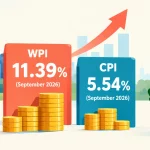
Retail inflation in India hit 5.54% in September 2026, nearing the upper tolerance limit of 6% set by the RBI.
The central bank raised its FY27 inflation forecast to 5.2% from its earlier 5% and GDP growth forecast to 7.1% from 6.7%.
RBI Monetary Policy: Key Indicators
| Indicator | Recent Reading |
| Repo Rate | 5.50% |
| Repo Rate Hike in October | +25 bps |
| September CPI Inflation Rate | 5.54% |
| FY27 Inflation Estimate | 5.2% |
| Q3FY27 Inflation Estimate | 6.0% |
| Q4FY27 Inflation Estimate | 5.7% |
| FY27 GDP Growth Estimate | 7.1% |
The RBI said inflation is likely to stay high in the second half of FY27, especially as international crude oil prices and supply disruptions impact domestic costs.
Why Interest Rate-Sensitive Stocks May Be Under Pressure
The prospect of more rate hikes has implications for banks, NBFCs, real estate companies and automakers.
Higher policy rates can increase the cost of borrowing for firms and households. Higher loan rates could lift lending yields for banks, but deposit costs and funding costs could also go up.
If the cost of borrowing increases, housing finance, car loans and other credit-dependent activities could be under pressure.
But no verified decline in share prices across the sector has been observed after the release of MPC minutes. The impact will be determined by future policy decisions, market expectations and the fundamentals of individual companies.
Next RBI Policy Meeting – What to Expect?
The next meeting of the MPC will take place from December 2-4, 2026.
The committee’s future decisions will be guided by the incoming inflation data, economic growth, crude oil prices and evidence of broader price increases.
The October policy decision showed a bias towards controlling inflation, but the minutes also showed concern about the impact of excessive tightening on economic growth.
For investors, the direction of interest rates continues to be an important driver of borrowing costs, corporate earnings and equity market valuations over the next few quarters.