Summary:
A trading terminal is a software platform that allows investors and traders to access live market data, place orders, analyze charts, and manage portfolios from a single interface. It serves as the primary connection between traders and stock exchanges like NSE and BSE. Understanding trading terminals can help investors improve execution, track investments efficiently, and make informed trading decisions.
If you have ever watched a trader flip between price charts, news feeds, and order windows, all at once, you have seen a trading terminal in action. To a newcomer, it can look like the cockpit of an aircraft. But once you understand what it actually does, it starts making a lot more sense.
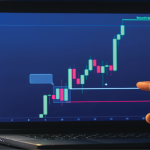
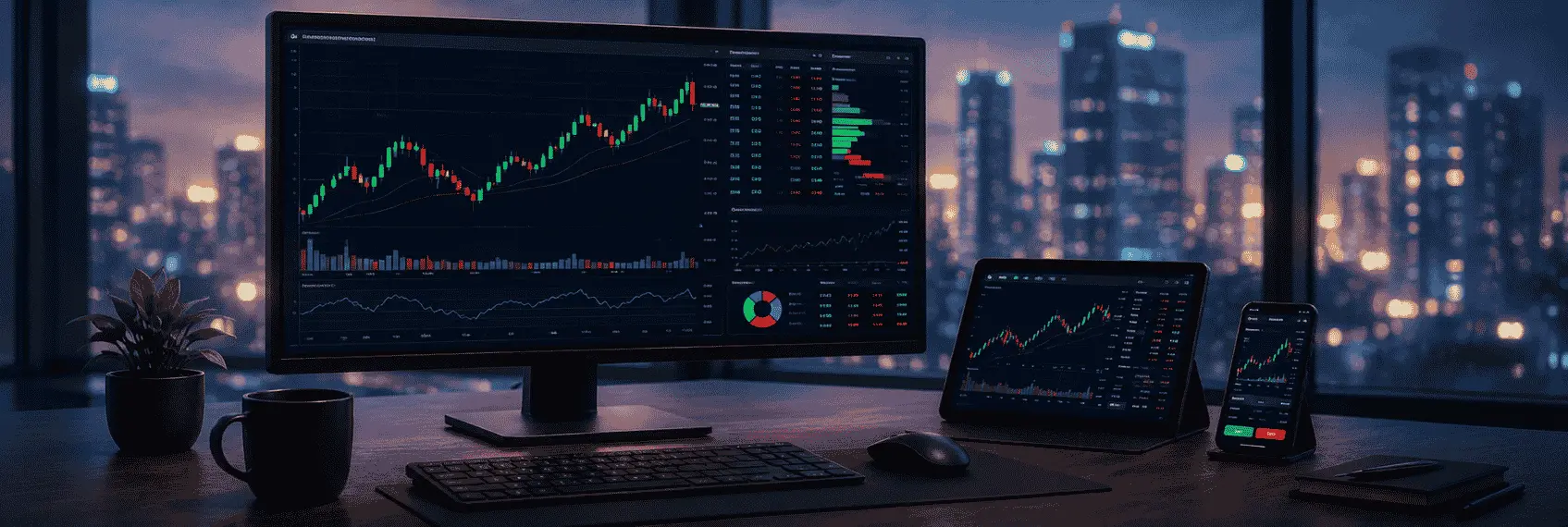
So, what exactly is a trading terminal? At its core, it is a software platform that connects you to the stock exchange and allows you to view live prices, place orders, track your portfolio, and analyse charts, all from one screen. In India, trading terminals are the nerve centre of daily market activity on both the NSE and BSE.
The Numbers Tell the Story
To understand how critical trading terminals are, consider these figures:
| Metric | Data Point |
| NSE average daily turnover (equity) | ₹55,000–60,000 crore (2024) |
| Active NSE registered investors (2024) | Over 9.2 crore |
| Share of algo/HFT trades in NSE volumes | 50–55% (SEBI estimates) |
| Number of NSE-registered brokers | Over 1,300 (as of 2024) |
Every single one of these trades, retail or institutional, passes through some form of a trading terminal.
What Does a Trading Terminal Actually Do?
A trading terminal is not just about placing buy or sell orders. Modern platforms pack in a remarkable number of capabilities:
- Live Market Feed: Real-time price quotes, bid-ask spreads, and depth-of-market (DOM) data, also called Level 2 data.
- Order Management: Place market orders, limit orders, stop-loss orders, GTT (Good Till Triggered) orders, and bracket orders.
- Charting Tools: View price action using candlestick, bar, or line charts with indicators like RSI, MACD, Bollinger Bands, and moving averages.
- Portfolio Tracker: Monitor open positions, P&L (profit and loss), margin utilisation, and holdings across equity, F&O, and commodities.
- News and Research Integration: Corporate announcements, BSE/NSE circulars, earnings data, and broker research, often embedded directly into the platform.
Types of Trading Terminals in India
Not all terminals are built the same. Here is a quick breakdown:
| Type | Best Suited For |
| Web-based terminal | Retail investors, beginners |
| Desktop terminal | Active traders, HNIs |
| Mobile app terminal | On-the-go retail trading |
| Institutional terminal | FIIs, MFs, large brokerages |
| Algo/API terminal | Quant traders, developers |
Why It Matters for the Indian Retail Investor
India's retail participation in markets has surged dramatically. Monthly SIP inflows crossed ₹26,000 crore in early 2025. The number of demat accounts hit over 17 crore by March 2025, nearly triple what it was in 2020. This wave of first-generation investors is interacting with markets primarily through trading terminals on their smartphones.
The quality of your terminal can affect execution speed, slippage, and the accuracy of your technical analysis. A 1-second lag during a volatile session, like a Union Budget day or RBI policy announcement, can mean the difference between catching a move and missing it entirely.
Choosing the Right Terminal
For most Indian retail investors, the broker's proprietary terminal, whether Kite, Angel One, or Upstox, does the job well. What you should evaluate:
- Uptime reliability (especially during high-volatility events)
- Charting capabilities and number of available indicators
- Order types supported (especially GTT and bracket orders for risk management)
- API access if you ever want to automate strategies
The Bottom Line
A trading terminal is not just a tool. It is your interface with one of the most dynamic financial ecosystems in the world. As Indian markets deepen and more retail investors migrate from mutual funds to direct equity participation, understanding what your terminal offers and what its limits are, becomes a basic financial literacy requirement.
Think of it this way: you would not drive a car without understanding the dashboard. Markets are no different.