Summary:
India generated an estimated 14.15 lakh tonnes of e-waste in FY26, highlighting growing pressure on its recycling infrastructure. While the EPR framework aims to improve formal recycling, informal processing, traceability gaps and questionable recycling claims remain key challenges.
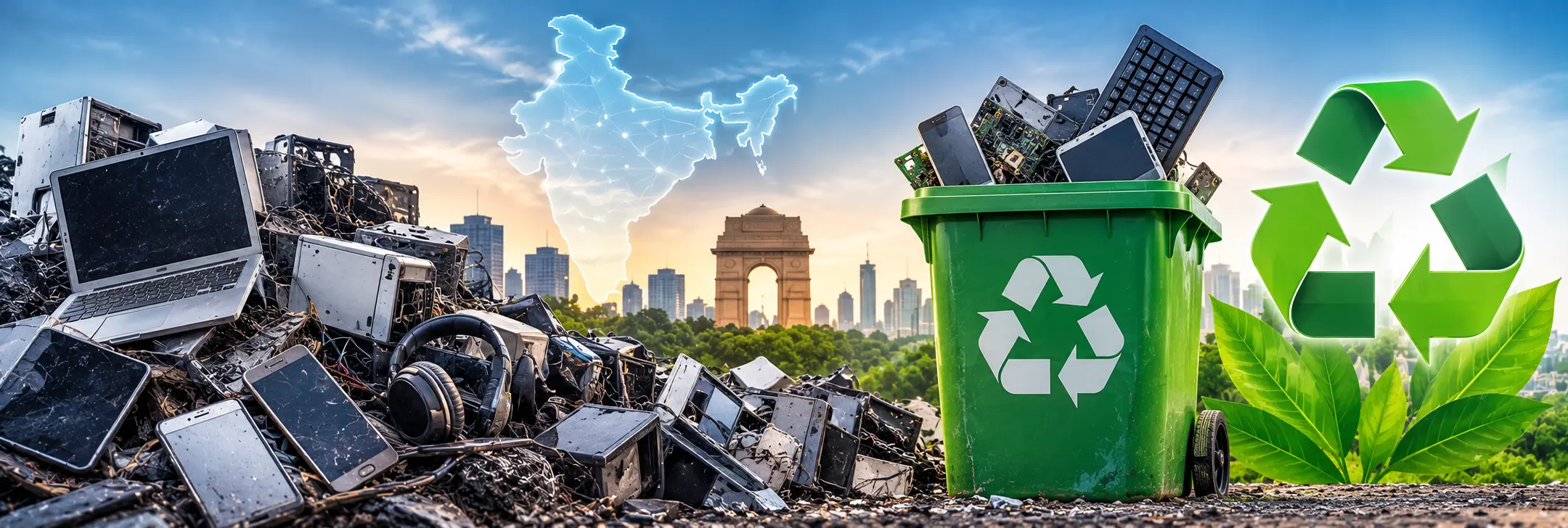
According to data tabled in Parliament in March 2026, India generated about 14.15 L tons of e-waste in FY26. Around 9.79 L tons had been recycled as of the time of reporting. The figures have brought new focus on the country’s recycling system, in particular the movement of discarded electronics through informal collection networks.
How serious is India’s e-waste problem?
The increasing use of smartphones, computers, televisions, electrical appliances and other electronic products in India is generating more waste that needs to be disposed of properly. Electronic waste is discarded equipment that has metals, plastics, circuit boards, batteries and other components. A few of the materials can be reclaimed and reused. Others must be handled with care, as they may contain substances which can be harmful if handled improperly.
As per government data available in March 2026, India generated an estimated 14,14,645 metric tons of electronic waste in FY26. As on reporting date about 9,79,080 metric tons has been recycled. These figures reflect the status as reported at the time and should not be considered final audited full-year totals.
How does the recycling system work in India?
India has an Extended Producer Responsibility (EPR) framework for e-waste. In this system, manufacturers and other covered producers are required to meet certain recycling obligations. Registered recyclers process electronic waste and generate EPR certificates based on eligible recycling activities. Producers can buy these certificates to meet their obligations.
The framework is intended to promote responsible disposal and at the same time establish an orderly market for the recycling of electronic waste. But effective implementation requires reliable documentation, material verification and monitoring .
“If there’s not enough oversight, there can be a difference between what is reported as recycled and what actually gets recycled.”
What are the biggest challenges?
In India, a massive quantity of electronic waste is still processed by informal recyclers. Informal collectors usually have direct access to households, small businesses and local electronic repair markets.
This makes them an important link in the chain of waste collection. The informal processing may not have the proper facilities to process hazardous materials and to safely recover metals.
A further issue is the credibility of recycling documentation. The EPR system has faced increased scrutiny over allegations of fraudulent or unsubstantiated recycling claims. The authorities need to differentiate between recycling certificates and claims that are not backed by actual processing. So the challenge is more than just adding installed recycling capacity.
What listed companies are related to the sector?
Regulatory compliance may become more important and hence create more business opportunities for organized recycling companies. Some of the listed companies involved in recycling and resource recovery include Gravita India (NSE:GRAVITA), Eco Recycling (BSE:530643). Their business models however differ between materials, technologies and waste categories.
More electronic waste doesn’t necessarily translate to more profits. Collection costs, processing efficiency, prices of the recovered metals and regulatory compliance all impact the financial performance. “More compliance requirements also increase costs, though. Formal recyclers may like more flow of waste into documented channels, but
What Needs Improvement?
Improved traceability is the key to better management of electronic waste in India.The linking of collection, transport, processing and recycling certificates through verifiable records could close monitoring loopholes.
More formal collection channels would also make it easier for households and businesses to dispose of electronic equipment in a responsible manner. With India’s digital economy growing, so will the problem of its electronic waste Its recycling framework will only work if collection systems, processing facilities and regulatory enforcement are developed in tandem.