Summary:
EV insurance can require additional protection for batteries, charging equipment and specialised electrical components. Battery protection, zero depreciation and consumables cover can reduce eligible out-of-pocket expenses, while premiums vary based on vehicle value, coverage, insurer and selected add-ons.
Electric vehicles have fewer mechanical components than conventional cars, but their insurance needs are different. The battery, charging system and specialised electrical components can represent a significant share of an EV's value. A standard motor policy may not cover every battery or charging-related expense, making suitable add-ons important.
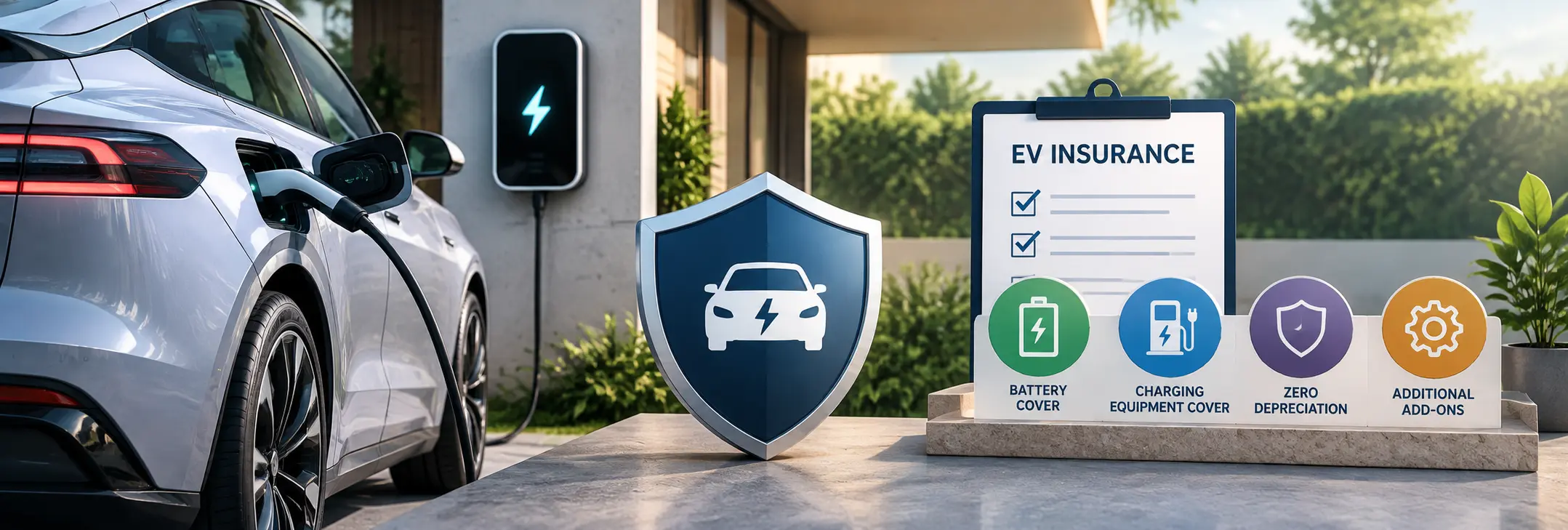
Battery replacement, zero depreciation, battery protection and charging equipment cover can help reduce the amount an owner may have to pay from their own pocket after an eligible claim. Battery protection can be particularly relevant because damage arising from events such as electrical surges or water ingress may require specific coverage, depending on the policy wording.
What the premium comparison shows
The comparison in the supplied data covers three EVs: the Tata Tiago EV XE Medium Range with a 19 KWH battery, the MG Windsor EV Excite with a 38 KWH battery, and the Mahindra XEV Excite with a 38 KWH battery. The figures cover own-damage, zero-depreciation, battery protection and consumables.
| EV | IDV | Third-party premium | Own damage | Zero depreciation | Battery protection | Consumables |
| Tata Tiago EV | ₹3,27,600 | ₹2,904 | ₹1,063–₹3,541 | ₹1,978–₹3,541 | ₹1,798–₹2,157 | ₹431–₹719 |
| MG Windsor EV | ₹3,49,650 | ₹6,712 | ₹1,860–₹3,774 | ₹3,341–₹6,198 | ₹3,147–₹3,465 | ₹729–₹1,259 |
| Mahindra XEV | ₹9,27,500 | ₹6,712 | ₹3,311–₹13,459 | ₹7,714–₹11,036 | ₹4,304–₹6,169 | ₹1,148–₹2,241 |
The Tata Tiago EV carries an IDV of ₹3,27,600 and a third-party premium of ₹2,904. Its illustrated own-damage premiums range from ₹1,063 to ₹2,932, while zero-depreciation ranges from ₹1,978 to ₹3,541. Battery protection is shown between ₹1,798 and ₹2,157, and consumables between ₹431 and ₹719.
For the MG Windsor EV, the IDV is ₹3,49,650 and the third-party premium is ₹6,712. Own-damage cover ranges from ₹1,860 to ₹3,774. Zero-depreciation is shown at ₹3,341 to ₹6,198, battery protection at ₹3,147 to ₹3,465 and consumables at ₹729 to ₹1,259.
The Mahindra XEV has the highest IDV at ₹9,27,500. Its third-party premium is ₹6,712, while the comparison shows own-damage premiums ranging from ₹3,311 to ₹13,459. Zero-depreciation ranges from ₹7,714 to ₹11,036, battery protection from ₹4,304 to ₹6,169 and consumables from ₹1,148 to ₹2,241.
Battery and charging cover deserve attention
Zero depreciation removes depreciation deductions on eligible parts, while battery protection is designed specifically around EV battery-related risks. Charging equipment cover can also be relevant because home chargers and associated equipment sit outside the vehicle and may not automatically receive the same protection as the car.
The right combination ultimately depends on the EV's value, usage and policy exclusions. Premium alone does not determine the usefulness of a policy; owners should check the exact scope, claim limits and conditions attached to every add-on.