SUMMARY
Russia will ban gasoline exports from April 1, 2026, to protect domestic fuel supply amid rising crude oil prices and global energy disruptions. The move may tighten global fuel availability and push prices higher. Meanwhile, India has assured adequate fuel supplies and stable domestic availability despite ongoing geopolitical tensions.
Russia Steps In to Protect Its Own Fuel Supply
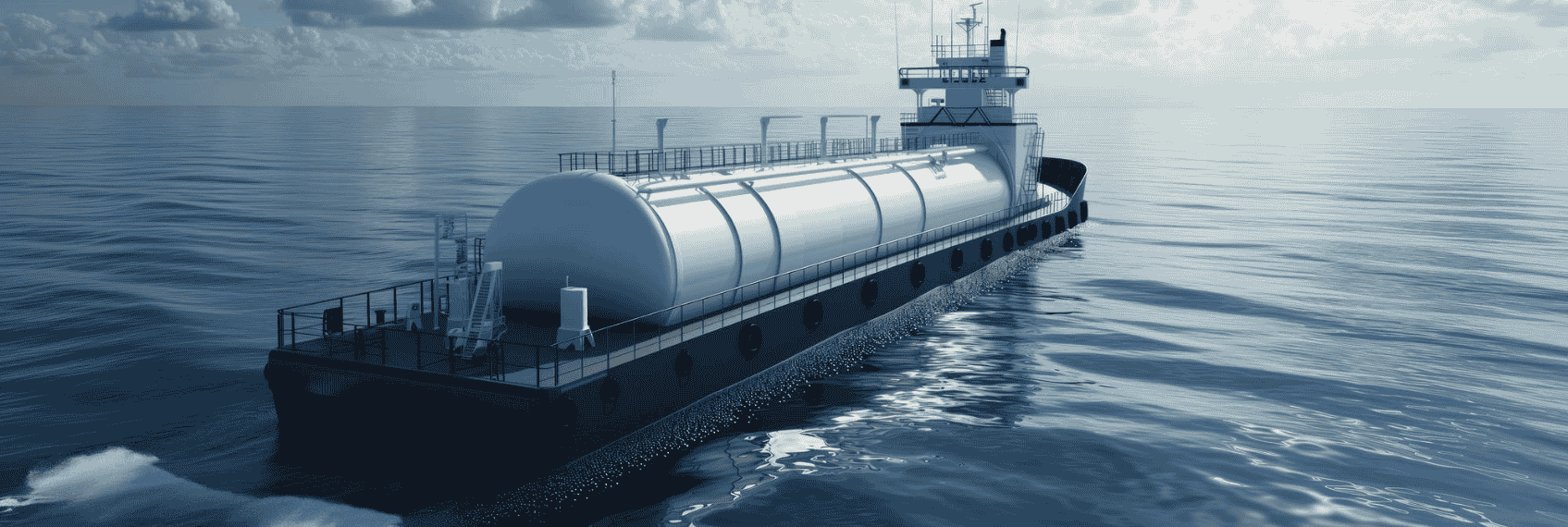
Russia announced last Friday that it will stop exporting gasoline starting April 1, 2026. The decision was made to keep enough fuel available within the country and to prevent domestic prices from going beyond projected levels.
The announcement came after a meeting led by Deputy Prime Minister Alexander Novak, who reviewed the current state of Russia's domestic petroleum product market. The ongoing conflict in the Middle East has been creating volatility in global oil and petroleum prices up and down, creating uncertainty for energy markets worldwide. Even so, Novak noted that foreign demand for Russian energy has remained strong, which is part of why the government decided to restrict exports, to make sure the local market does not face shortages or price spikes.
Key Highlights Of The Meeting
According to reports, a key point discussed during the meeting was a directive from Russian President Vladimir Putin. He had set a clear goal: domestic fuel prices should not rise above forecast levels. This became the central focus of the discussions.
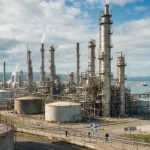
The Ministry of Energy presented the current picture of the fuel market. Oil refining in Russia is running at the same rate as it was in March 2025. Refineries are operating at high capacity, and companies in the sector confirmed that there are enough reserves of both gasoline and diesel to meet demand at home.
Based on these discussions, Novak directed the Ministry of Energy to prepare a formal resolution that would ban gasoline exports from April 1, 2026. The goal is to stabilize fuel prices and make local supply the first priority.
What This Means for Other Countries
Russia has historically exported around 120,000 to 170,000 barrels of gasoline per day. Countries that regularly buy Russian oil products include India, China, Turkey, Brazil, Singapore, and several African nations. The ban on exports will directly affect these countries.
This is not a minor event. These countries will lose access to Russian gasoline, meaning they will likely turn to other suppliers, which could push up global gasoline prices further, at least in the short term.
The announcement adds pressure on an already disrupted global energy market. The Middle East conflict has already tightened supply chains and made oil prices unstable. Russia pulling back from export commitments adds another layer of complexity for energy buyers around the world.
Russia's Domestic Position
Despite the tension in global markets, Russia's internal fuel situation appears to be under control for now. Refining rates are consistent, reserves are at adequate levels, and refineries are running at high capacity. The government has made it clear that protecting the domestic market is the first priority, and this ban is the step being taken to do that.
The ban will remain in place until July 31, 2026, as confirmed by Russian state media following the announcement by Deputy Prime Minister Alexander Novak on March 27, 2026.
India Reassures on Domestic Fuel Availability
Separately, India addressed concerns about its own fuel supply situation. The Ministry of Petroleum and Natural Gas confirmed that the country currently has enough stocks of crude oil, petrol, and diesel, even as the Middle East conflict has caused disruptions.
Sujata Sharma, Joint Secretary (Marketing and Oil Refinery), spoke at a joint inter-ministerial briefing and gave a detailed account of where things stand. She said that crude inventories are at a sufficient level and that supply has been secured for the next two months. Refineries in India are operating at full capacity, some even above that, and domestic LPG production has gone up by around 20%.
She acknowledged that the situation has not been easy. Crude oil, LPG, and LNG supplies have all been affected by the conflict, and prices in international markets have risen. However, the government has taken a series of decisions at different levels to manage the situation and keep domestic supply stable.
"As of today, we have sufficient crude inventories, and supplies for the next two months have already been secured. The situation is comfortable with respect to LPG and PNG as well," Sharma said.
Two Countries, One Common Concern
What stands out from these two developments is that both Russia and India are dealing with the same underlying problem: a global energy market that has been made unpredictable by the conflict in the Middle East.
Russia's response is to pull back from exports and direct supply inward. India's response is to reassure its population that supply chains are intact and that the government has managed the external shocks well enough to keep the domestic market stable.
Both approaches reflect a wider shift happening in major energy-producing and consuming countries. When global markets become volatile, governments tend to look inward, securing what their own populations need before worrying about international obligations.
Conclusion
The Russia export ban will take effect in just a few days. The countries which may get most affected are China, Turkey, Brazil, and others. They will need to act quickly to find replacement sources. Whether that drives global gasoline prices further up depends on how fast alternative supply can be arranged.
For India, the next two months appear covered. But if the Middle East conflict extends beyond that or worsens, the government will need to make further decisions to keep supplies steady.
Both situations are being watched closely by energy markets globally. Any change in the ground situation in the Middle East will likely trigger fresh responses from governments on both the supply and demand side.
References: