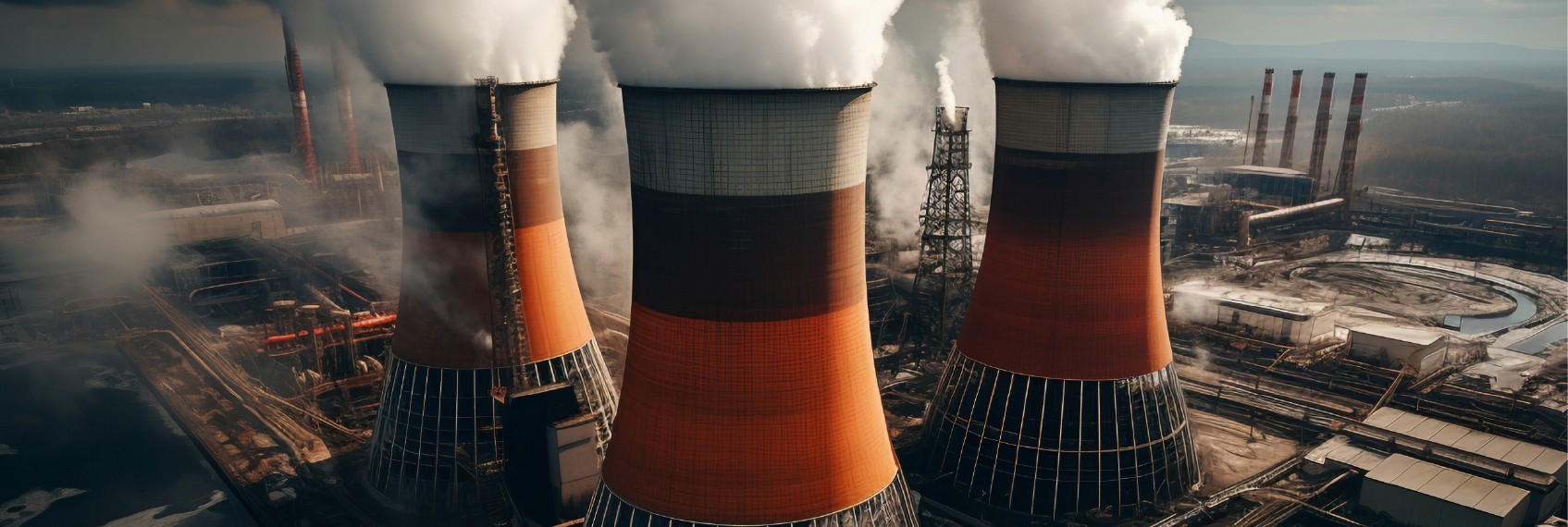
The growth of both data centres and businesses in India is putting an extraordinary amount of pressure on the electricity supply. With the rapid development of artificial intelligence, cloud computing and digital services increasing their scale and demand very quickly, there is an increasing strain on the nation's power supply infrastructure. In light of these pressures, nuclear innovation is being seen as an increasingly viable and strategic solution to the energy supply challenges facing India. Nuclear energy can be used to supply data centres, and nuclear power can provide the necessary energy required to support manufacturing industries without sacrificing stability or reliability and will help drive the economy into the future.
Understanding nuclear innovation in the Indian context
Nuclear innovation refers to advancements in reactor design, fuel efficiency, safety mechanisms, and deployment models that enhance both performance and scalability. In India, these efforts are led primarily by the Nuclear Power Corporation of India Limited, alongside research institutions under the Department of Atomic Energy. Moving beyond conventional pressurised heavy water reactors, the focus now includes advanced fuels and flexible reactor architectures. These developments are designed to support clean energy for data centres India requires, while also serving energy intensive industries.
Advanced nuclear technologies for industrial use
Advanced nuclear power technologies provide an alternative method of generating high-temperature process heating for use by industry – applications where use of renewable energy to produce electricity will be difficult to accomplish. Hydrogen production, desalination, and heavy industry refining processes will all benefit from nuclear generation for high-temperature heating because existing technologies will not be able to produce sufficient amounts of renewable energy. Utilising nuclear energy will allow heavy industry to decarbonise operations without reducing output.
Reliability and infrastructure resilience
Electricity from nuclear power has virtually no operational carbon emissions, so it plays an important part in India’s goal of reaching net zero emissions by 2070. With digital usage continuing to grow, clean energy for data centres is becoming a higher priority for India. The same can be said for industrial sectors, which are coming under increasing pressure from regulators, investors, and global supply chains to reduce their emissions. Nuclear power can help meet these goals, as it will replace coal and reduce the carbon intensity of both digital and industrial growth.
Sustainability and climate alignment
Nuclear projects require large amounts of capital to build, but due to their typically long life cycles (60+ years) and low fuel costs, nuclear projects provide long-term value. When examined through levelised cost measures, nuclear-generating technology becomes competitive against fossil fuel sources, especially as costs associated with carbon price and environmental compliance continue to rise. The modular construction method of small modular reactors (SMRs) will also make their future costs more predictable. Market sentiment is strongly evident, as demand for shares in companies involved in nuclear power development and infrastructure has remained steady.
Economic considerations and long term value
Nuclear power plants are expensive to construct but, considering they typically last more than 60 years and the relatively low price of their fuel, they are a worthwhile investment for many decades. When considering the overall cost of electricity using nuclear power versus fossil fuels (carbon emissions), using a levelized cost of electricity approach; the cost of building and operating nuclear plants will be very competitive with fossil fuel power generation as carbon pricing and compliance with environmental regulations becomes more expensive. Additionally, since SMRs can be built one at a time, they will also provide greater predictability concerning their respective costs. The level of interest in investing in firms involved with nuclear power generation and infrastructure supports this viewpoint.
Future outlook for nuclear powered growth
India's nuclear capability and its prospects for growth are bolstered through continued reform of its policies on nuclear energy. Future prospects include a potential increase in nuclear capacity of 22 gigawatts by 2032 due largely to growing interest from the private sector, particularly regarding the supply of energy to data centres, making them a key component of India's future energy supply strategy.
Conclusion
In conclusion, nuclear energy continues to provide a more balanced and reliable way for India to meet the growing energy requirements of both the digital and industrial sectors without sacrificing its environmental commitments. By providing a reliable source of nuclear energy for data centres, through construction and operation of small modular reactors in industrial applications, India will be able to generate sustainable economic growth without sacrificing its obligations to preserve the environment.