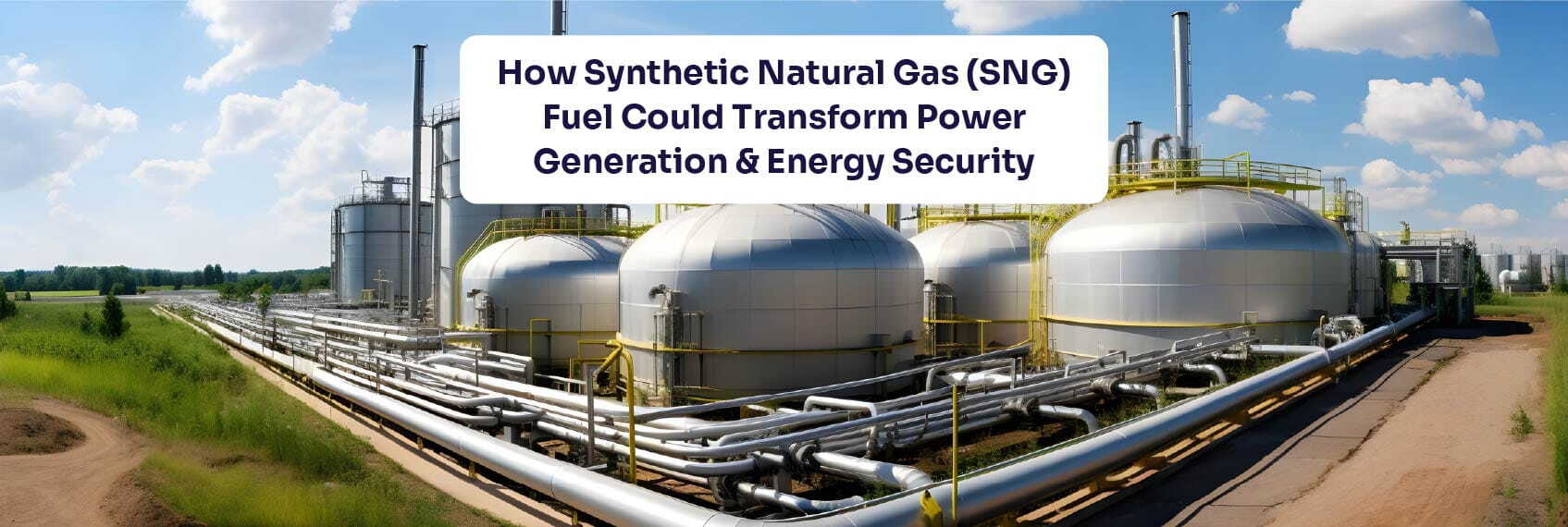
SNG (Synthetic Natural Gas) can be considered an innovative and strategic energy option that could help transform power generation and improve energy security. While the demand for electricity continues to rise and economies continue to depend on foreign fuels, exposing themselves to price volatility, SNG is a domestic alternative for producing energy. SNG has particular relevance in markets where there is an emphasis on energy system resilience, reliability and flexibility.
What is synthetic natural gas?
SNG (Synthetic Natural Gas) is an engineered gaseous fuel designed to have similar chemical properties and heating value as conventional natural gas. SNG is predominantly composed of methane and can be used just like conventional natural gas to produce electricity, process heat, and distribute electricity throughout the U.S. SNG is different from conventional natural gas because it can be produced from feedstocks other than conventional natural gas such as coal and biomass, allowing countries with little natural gas supply availability to expand the use of gas-based energy.
The versatility of SNG as both an intermediate and transitional source of energy supports energy diversification while providing compatibility with existing use patterns and infrastructure.
Environmental advantages of synthetic gas fuel
As a cleaner-burning alternative to coal, synthetic gas fuel produces lower levels of particulate matter, sulphur oxides, and nitrogen oxides. This supports compliance with increasingly stringent air quality standards and reduces the health impacts associated with conventional thermal power generation.
When derived through biomass to SNG routes, lifecycle emissions can be further reduced. Sustainable sourcing of biomass enhances the environmental credentials of SNG energy, making it compatible with broader clean energy transition objectives while retaining the reliability of gas-based systems.
Strengthening energy security through SNG energy
Synthetic natural gas (SNG) will also help strengthen energy security by allowing countries to decrease their reliance on long-haul imported liquefied natural gas. The production of synthetic natural gas (SNG) domestically uses resources available in-country and may provide some insulation to countries' energy infrastructures from geopolitical risks and volatility in global pricing. In particular, converting coal to synthetic natural gas (SNG) gives countries with abundant coal reserves an opportunity to monetize their indigenous energy resources while producing the energy with fewer emissions and more flexibility than if they were to practically develop their coal reserves. This diversification of supply sources leads to greater strategic autonomy for developing countries accessing their indigenous energy resources and improves their ability to plan for energy security in the long term.
Economic considerations and investment implications
Even though producing synthetic natural gas takes a lot of capital, the availability of certain feedstocks and technology efficiencies help determine the economics of the project. Coal-based routes benefit from long-term price stability in many domestic or local markets; while procedures using biomass as feedstock will have potential for receiving policy incentives or taking advantage of available waste-management synergies.
As time progresses, SNG electricity generation, particularly where there is concern over fuel-price volatility, could reduce the levelised cost of generation. Therefore, investors and stakeholders need to fully evaluate production projects of SNG with consideration to water use, conversion efficiency and long-term operating costs.
Challenges and limitations
Although it has the potential for many applications, SNG will face some limitations and challenges. The require capital to develop an SNG project is very high, as well as the amount of water required for converting and gasifying the feedstocks. Many efficiencies will be lost during the gasification and conversion processes, which will negatively impact the project's viability. Coal-based SNG projects also raise questions about carbon emissions associated with the coal feedstock unless carbon capture technologies are incorporated into the production process.
The technological uncertainty associated with SNG projects may also negatively impact the project viability depending upon the technological maturity of the process and the scale of the project. Pilot projects have demonstrated the need for continued innovation and operational improvements through pilot projects in order to get the technology to be commercially viable.
Future outlook for synthetic natural gas
It's likely that synthetic natural gas will serve as a "bridge" from traditional fossil fuels to lower carbon alternatives, contributing to the development of the future energy mix. When combined with carbon capture technology or renewable hydrogen, the use of SNG as an energy source can help meet long term decarbonisation objectives (such as net-negative carbon emissions by 2070).
As technological advancements continue to develop in process integration and feedstock flexibility, synthetic gas will be increasingly competitive as a fuel choice over the next decade.
Conclusion
In addition to being a cost effective and versatile fuel source for electricity generation and energy security, synthetic natural gas is an excellent choice because it uses domestic feedstocks; is compatible with our current electric generation infrastructure; and has a much cleaner combustion profile than traditional fossil fuels. There are therefore many opportunities for SNG to contribute positively to a diversified energy portfolio.