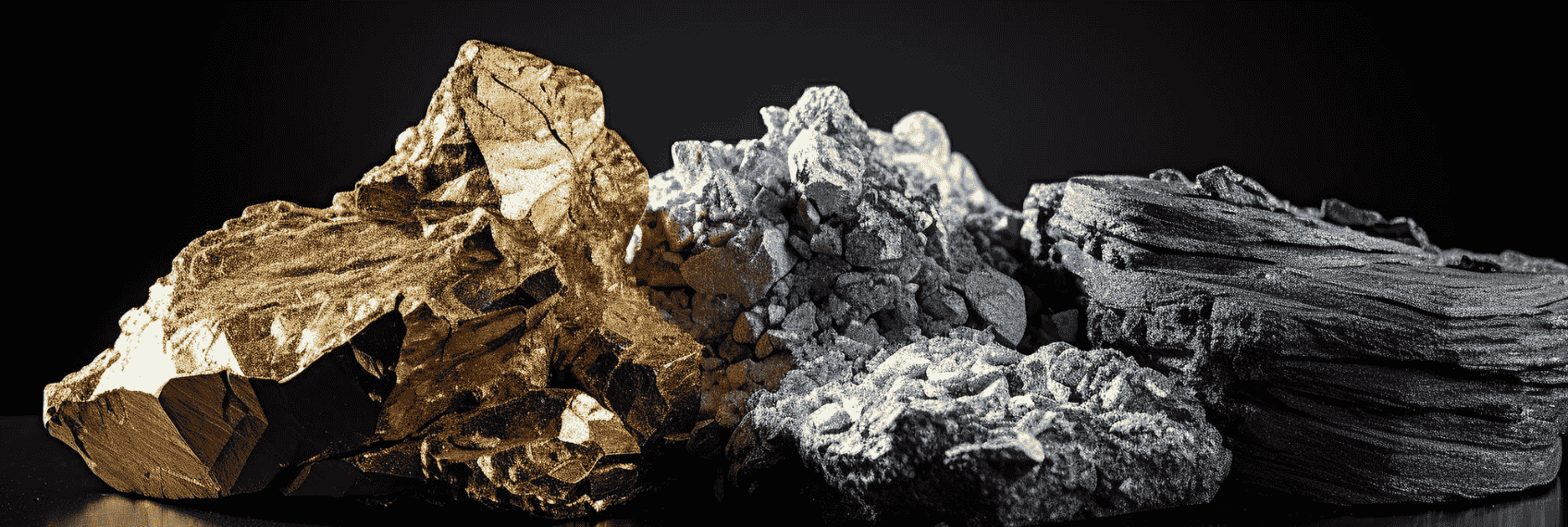
Gold and silver prices have been on a rollercoaster ride since 2025, surging to unprecedented levels before witnessing sharp corrections. After touching record highs, gold nearing ₹2 lakh per 10 grams and silver crossing ₹4 lakh per kg in late January 2026, the precious metals faced a sharp selloff, followed by a brief relief rally, and now, another steep decline.
Here’s a comprehensive look at why these metals are under pressure, what is driving their volatility, and what investors should consider in the current market scenario.
Gold and Silver Prices
On Friday, gold fell 2.54% to $4,655.29 per ounce, while domestic gold prices dropped to ₹1.6 lakh per 10 grams. Silver fared even worse, dropping 6% in domestic markets to ₹2.29 lakh per kg, following a global decline of over 9%.
The domestic declines mirrored global trends. Spot gold fell below $4,700 per ounce, halting a two-day relief rally that followed last week’s sharp selloff. Spot silver dropped below $65, with Shanghai silver futures tumbling 15% in a single session. Panic selling by funds hitting daily loss limits intensified the fall, leading to forced liquidations.
Key Factors Behind the Price Drop
1. Strengthening US Dollar
One of the main reasons for the decline is the strengthening of the US dollar. The Dollar Index recently rose to 97.97, marking a gain of nearly 2.53% since its four-year low at the end of January. A stronger dollar makes gold and silver more expensive for overseas buyers, reducing demand and pressuring prices.
2. Federal Reserve and Interest Rate Sentiment
Federal Reserve policy is also playing a critical role. Fed Governor Lisa Cook signaled caution on further rate cuts, prioritising inflation risks over a slowing labor market. Additionally, US President Donald Trump’s nomination of Kevin Warsh as the next Fed chair, viewed as more hawkish, has increased expectations of slower rate cuts. This combination has strengthened the dollar and created headwinds for precious metals.
3. Geopolitical Developments
Geopolitical tensions often drive safe-haven demand for metals. Initially, rising tensions contributed to a brief rally in precious metals. However, recent easing in geopolitical risks, such as Iran-US talks being postponed to Oman, led to cautious investor sentiment, weighing on prices. Also, the finalisation of the India-US Trade deal and India EU FTA eases geopolitical tension for India.
What Investors Should Consider
Investors are advised to avoid panic selling amid these extreme swings. Key considerations include:
- Monitoring US dollar strength and equity market trends.
- Tracking upcoming geopolitical developments and US economic data.
- Gradual positioning with disciplined risk management, rather than reacting to short-term volatility.
Large price moves in precious metals take time to stabilise, and strategic, long-term positioning may yield better results than frequent trading during turbulent periods.
Conclusion
Gold and silver have proven their allure as safe-haven assets during times of market uncertainty. While short-term turbulence is evident, the metals remain crucial hedges against inflation, currency fluctuations, and geopolitical risks. Investors with a long-term horizon may find this period of volatility an opportunity to enter or scale into positions strategically.