SUMMARY
Government's reassurance of uninterrupted LPG supply through the world's most critical maritime chokepoint alleviates pricing pressures and recalibrates risk premiums embedded in downstream gas equities.
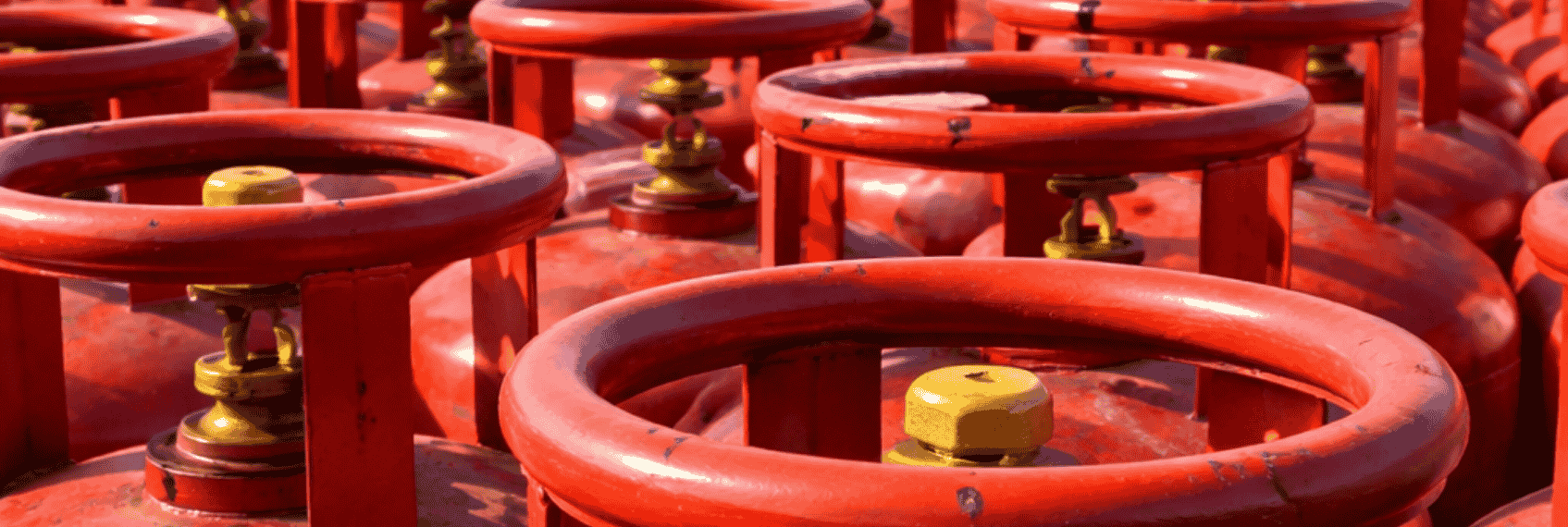
The Ministry of Petroleum and Natural Gas has officially stated that there is no disruption in the supply chain of LPG, with numerous VLGCs still navigating through the Strait of Hormuz, the narrow strait accounting for around 20-25% of the total volume of global LPG trade every year. This statement comes after several weeks of concerns in the market regarding LPG prices, which had increased substantially due to the tightness in the spot markets.
India ranks second globally in the import of LPG after China, and the country gets around 55 to 60 percent of its LPG imports from countries in the Middle East like Saudi Arabia (Aramco), Qatar, UAE, and Kuwait. Any interruption to the flow of goods through the Hormuz Strait will necessitate an alternate route through the Cape of Good Hope, which will increase the shipping time by 10 to 14 days at an increased cost of $40-$65 per metric tonne.
"India's LPG import pipeline is robust. Long-term offtake agreements with Saudi Aramco and ADNOC, combined with our strategic storage capacity, insulate domestic consumers from short-term geopolitical noise."
– Ministry of Petroleum & Natural Gas, Official Statement, April 2026
The statement holds different ramifications for various players along the gas value chain. The ones directly affected by the cost of procuring LPG - the OMCs and city gas distributors - are the main beneficiaries of reduced risks in sourcing.
| Company | Primary LPG Exposure | Estimated Supply Risk Relief |
| Indraprastha Gas | Indirect (PNG/CNG) | Moderate - feedstock cost comfort |
| Mahanagar Gas | Indirect | Moderate |
| Gujarat Gas | Moderate - industrial volumes | High - APM gas mix benefit |
| GAIL (India) | High - LPG transmission | High transmission volumes sustained |
| HPCL | Very High - LPG retail | Very High - no under-recovery feared |
| BPCL | Very High | Very High |
| IOC | Very High | Very High |
The structural import capability of India has shown considerable improvement over the last three years. The government has diversified imports by ensuring that it is not totally dependent on Hormuz corridor, thanks to long term contracts for LPG-linked cargoes with the USA (Freeport LNG), Australia (North West Shelf), as well as more spot purchases from North Africa.
With this comes an end to the “disruption” premium associated with Hormuz – a conceptual discount associated with CGD (City Gas Distribution) stocks over the last 4-6 weeks. Given increased visibility on supplies, we believe that this will lead to a positive re-rating of LPG-related stocks – especially the OMCs. Our favorite beneficiary amongst this group will be HPCL, which has maximum exposure to LPG (~30% of revenue). The two main beneficiaries from the CGD group are IGL and Gujarat Gas.
A re-escalation of Hormuz tensions, an Iranian interdiction event, or a breakdown in GCC-India bilateral supply agreements could reignite supply anxiety. Investors should monitor ISL (International Shipping Lane) incident reports and OPEC+ production policy for early warning signals.
PNG Expansion Push: Government Asks IGL to Triple Connections – What This Means for Investors
2 min Read Apr 10, 2026
IGL & Gujarat Gas Q4 FY26 Earnings Preview: LNG Price Surge, Margin Pressure in Focus
2 min Read Apr 10, 2026
India Hikes Natural Gas Price for April; ONGC, Oil India Stocks in Focus
2 min Read Apr 10, 2026
Stocks to Watch: Wipro, HDFC Life, Tata Steel, Eicher Motors in Focus
2 min Read Apr 10, 2026
TCS Announces Q4 Results: Reports Sequential Growth, Strong Deal Wins, Margin Expansion; AI Revenue Crosses $2.3 Billion
2 min Read Apr 10, 2026
For android only