
As of early March 2026, the USA-Israel-Iran war has sent ripple effects across the globe.
The USA-Israel-Iran War is on its 5th day on Wednesday, March 04, 2026. The death toll rose to at least 787 in Iran, approximately 60 in Lebanon, more than 12 in Israel, and 6 U.S. soldiers have been killed.
Iran has effectively closed the Strait of Hormuz to oil and gas exports, as the ships have been attacked with a mixture of drone strikes. The fear has halted commercial maritime traffic despite intense US attacks on Iran’s navy.
At least 4 tankers have been struck by drones, and maritime traffic has dropped by 80%. This, in tandem, has resulted in high oil prices. As of March 04, 01:05 pm, Brent crude oil has jumped above $83.96 per barrel. India imports nearly 85 per cent of its crude oil, making its economy vulnerable.
Policymakers are closely monitoring crude oil prices and cargo movement. The immediate effect is expected to be visible in high energy costs, given India’s heavy dependence on imported oil & gas. Any sustained increase in crude prices would directly affect everyone – consumers, businesses, and governments alike.
High oil prices would push up inflation. This is expected to add pressure on the RBI to maintain a tighter monetary policy. Higher inflation would discourage rate cuts, keeping borrowing costs elevated for consumers as well as businesses. If the war continues for a long time, this would result in tighter liquidity, delayed monetary easing, and increased stress in corporate and retail portfolios. Sustained oil prices near $84 per barrel are likely to stall the RBI’s pivot toward rate cuts.
Banks may see a spike in credit demand from oil marketing, refiners, airlines, logistics, chemicals, and transport to fund higher working capital requirements. This would directly affect bank margins, asset quality, and credit growth.
Rising interest rates would directly affect bank margins. If banks cannot raise lending rates fast enough, margins are expected to shrink, which in tandem will reduce profitability. In continuation of this, sectors most affected by high fuel costs may struggle to repay loans. This can increase NPAs, meaning banks have more ‘bad loans’ on their books.
Additionally, high oil prices push companies to borrow more for working capital. But banks may tighten lending to riskier sectors due to rising NPA concerns.
In conclusion, the repercussions may be severe for the country and particularly for the banking sector. Indian banks currently maintain strong capital buffers (CRAR) and liquidity coverage ratios. But this would certainly depend on the duration of the war. Banks may shift toward safer loans or fee-based income to protect earnings.
Only if oil prices were to drop to ‘normal’ levels would it act as a tailwind for the economy. As a result, this would also reverse wartime pressures on the Indian banking system.

LIC IPO may recreate the Maruti moment of 2003 for markets: Nilesh Shah
4 min Read Feb 21, 2022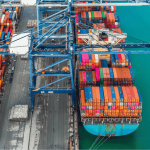
India Services PMI Dips to 58.1; New Business Expansion Slows
2 min Read Mar 4, 2026
India’s Chemical Sector: Global Share Seen Rising to 5–6% by 2030; $1 Trillion Turnover by 2040
2 min Read Mar 4, 2026
Indian Market Crash on March 4: Key Triggers Behind the Fall
2 min Read Mar 4, 2026
Crude Oil Rises Sharply After Attacks in West Asia: What It Means for India
2 min Read Mar 2, 2026
Iran War Impact on Indian Markets: Sectors to Benefit and Stocks Under Pressure Amid Middle East Escalation
2 min Read Mar 2, 2026
For android only