Japan has announced a landmark breakthrough in its quest to secure critical mineral supplies, revealing that it has successfully retrieved sediment containing rare earth elements from a depth of 6,000 metres in the Pacific Ocean. The achievement, declared by the Japanese government on February 2, 2026, is being described as the world’s first attempt to tap rare earth resources at such an extreme depth.
The discovery marks a significant step in Tokyo’s strategy to reduce its heavy reliance on China, which currently dominates global rare earth production and supply chains.
Chikyu Mission Marks Historic Milestone
The sediment sample was recovered by Chikyu, Japan’s advanced deep-sea scientific drilling vessel operated by the Japan Agency for Marine-Earth Science and Technology (JAMSTEC). The ship set sail last month for waters near Minami Torishima, a remote Pacific island located within Japan’s exclusive economic zone.
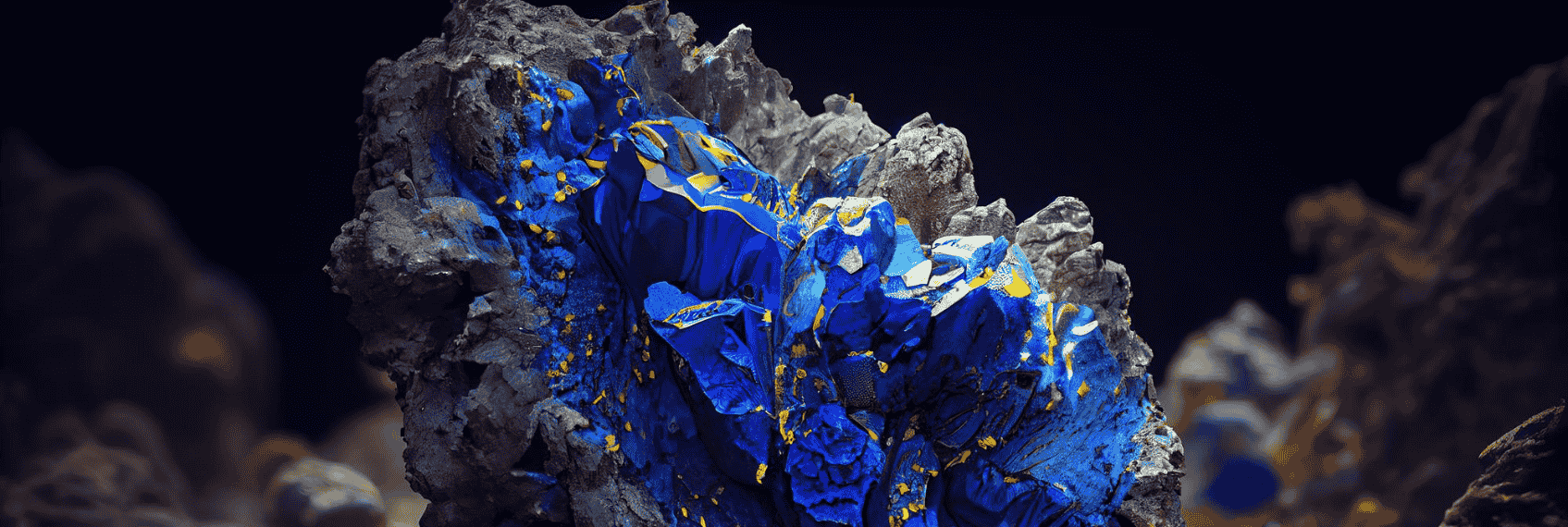
According to the government, the mission successfully retrieved what officials have described as “rare earth mud” from the ocean floor at a depth never previously reached for such extraction efforts. Government spokesperson Kei Sato said the recovered sample is now being analysed to determine the concentration and commercial viability of the rare earth elements contained within it.
She called the achievement “meaningful both in terms of economic security and comprehensive maritime development.”
Strategic Importance of Minami Torishima
The waters surrounding Minami Torishima are believed to hold one of the world’s largest untapped reserves of rare earth elements. Estimates suggest the area contains more than 16 million tonnes of rare earths, making it the third-largest reserve globally, according to Japan’s Nikkei business daily.
These deposits are thought to include substantial quantities of dysprosium and yttrium, elements critical for high-performance magnets used in electric vehicles, smartphones, wind turbines, lasers, and advanced military systems. Some estimates suggest the reserves could meet global demand for certain elements for several centuries if extraction proves commercially viable.
Reducing Dependence on China
Japan currently imports around 70% of its rare earths from China, leaving its industrial and defence sectors exposed to geopolitical risk. Concerns have intensified amid deteriorating diplomatic relations between Tokyo and Beijing.
Tensions escalated late last year after Prime Minister Sanae Takaichi suggested Japan could respond militarily if China were to attack Taiwan. In response, Beijing restricted exports of several “dual-use” items, goods with both civilian and military applications, to Japan, fuelling fears that rare earth supplies could also be weaponised.
Japan has faced similar pressure before. In 2010, China curtailed rare earth exports during a diplomatic dispute, prompting Tokyo to diversify supply chains through overseas investments, recycling initiatives, and reduced material usage. Despite these efforts, China remains Japan’s dominant supplier.
US-Japan Cooperation on Critical Minerals
Against this backdrop, Japan has intensified cooperation with the United States. In October 2025, Prime Minister Takaichi and US President Donald Trump signed agreements aimed at coordinating the supply and security of critical minerals, including rare earths.
The partnership reflects growing alignment among US allies seeking to counter China’s near-monopoly over minerals essential for clean energy technologies, advanced manufacturing, and defence systems.
World’s First Test at Extreme Depth
Japanese authorities say the JAMSTEC mission represents the first-ever attempt globally to extract rare-earth-bearing sediment from such depths. While no production targets have been announced, the government plans further testing and a full-scale demonstration by early 2027 if the current mission proves technically and economically viable.
Because the mud cannot be processed offshore, plans involve transporting it to Minami Torishima for dewatering before shipping it to mainland Japan for refining and separation.
Since 2018, Japan has invested roughly ¥40 billion ($256 million) into deep-sea rare earth research and development, underscoring the strategic importance of the initiative.
Geopolitical Undercurrents Beneath the Seabed
The project unfolds amid rising regional tensions. Japanese officials have previously reported that Chinese naval vessels entered waters near Minami Torishima while Japanese research ships were conducting surveys within Japan’s exclusive economic zone.
Officials have described such actions as intimidating and indicative of the growing strategic competition over seabed resources in the Pacific.
A Potential Game-Changer for Economic Security
If Japan succeeds in establishing a stable, domestic supply of rare earths from deep-sea deposits, it could dramatically reshape global supply chains and reduce vulnerability to geopolitical shocks. Analysts say the project could secure long-term material access for Japan’s automotive, electronics, renewable energy, and defence industries.
While commercial extraction remains years away, the Chikyu mission has already sent a powerful signal: the race for critical minerals is moving from land to the deepest parts of the ocean, and Japan intends to lead it.