Share prices of state-run oil marketing companies, Bharat Petroleum Corporation Limited, Hindustan Petroleum Corporation Limited, and Indian Oil Corporation, declined by up to 3% on Thursday, February 19, 2026, after a sharp rebound in global crude oil prices weakened investor sentiment.
BPCL fell as much as 3.48% to ₹367.65 per share, HPCL dropped 4.97% to ₹434.35, and IOC slipped nearly 2.48% to ₹174.30. The stocks gave up recent gains as concerns rose over pressure on marketing margins and earnings.
Geopolitical Tensions Push Crude Higher
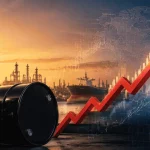
Global crude oil prices surged strongly in the previous trading session. US benchmark WTI crude futures jumped 4.60% to $65.19 per barrel, while Brent crude climbed 4.35% to $70.35 per barrel, marking the highest settlement levels since late October.
The rally was driven by rising geopolitical tensions and fears of supply disruptions:
- Concerns over a potential conflict involving the United States and Iran
- Risk to oil flows through the Strait of Hormuz, a critical global energy chokepoint
- Failed negotiations between Russia and Ukraine in Geneva
- Expectations that any military action could extend into a weeks-long campaign
Such developments raised worries of a tighter global oil supply, pushing energy prices higher and hurting sectors dependent on crude as an input.
Why Rising Oil Prices Hurt OMC Stocks
Crude oil forms the bulk of the input cost for downstream oil marketing companies. When crude prices rise, the cost of refining and producing fuels increases significantly.
If petrol and diesel retail prices are not increased in proportion to higher crude costs, OMCs’ marketing margins shrink, which directly impacts profitability. Higher input prices, therefore, typically lead to weaker earnings outlooks and negative stock reactions.
Past trends show that higher crude prices create earnings pressure on OMCs, while upstream producers benefit from it.
Additional Financial Pressure on OMCs
Elevated crude prices also affect company finances beyond margins:
Higher import costs increase India’s oil bill and raise working capital requirements for refiners. Companies may also face inventory risks, fuel purchased at higher crude prices can lead to losses if retail prices fail to keep pace with input cost increases.
In short, rising crude simultaneously tightens margins, strains cash flows and increases earnings uncertainty, the key reason the sector sold off after the oil price rally.
Market Reaction
The rebound in crude oil prices triggered selling across OMC counters as investors anticipated margin compression in coming quarters. The decline reflects a typical market response: higher oil prices tend to benefit producers but pressure refiners and fuel retailers.
The latest move shows that geopolitical developments in global energy markets continue to remain one of the biggest drivers for the valuation of India’s oil marketing companies.