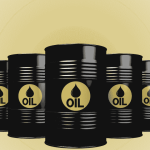
Share prices of state-run oil marketing companies, Bharat Petroleum Corporation Limited, Hindustan Petroleum Corporation Limited, and Indian Oil Corporation, declined by up to 3% on Thursday, February 19, 2026, after a sharp rebound in global crude oil prices weakened investor sentiment.
BPCL fell as much as 3.48% to ₹367.65 per share, HPCL dropped 4.97% to ₹434.35, and IOC slipped nearly 2.48% to ₹174.30. The stocks gave up recent gains as concerns rose over pressure on marketing margins and earnings.
Global crude oil prices surged strongly in the previous trading session. US benchmark WTI crude futures jumped 4.60% to $65.19 per barrel, while Brent crude climbed 4.35% to $70.35 per barrel, marking the highest settlement levels since late October.
The rally was driven by rising geopolitical tensions and fears of supply disruptions:
Such developments raised worries of a tighter global oil supply, pushing energy prices higher and hurting sectors dependent on crude as an input.
Crude oil forms the bulk of the input cost for downstream oil marketing companies. When crude prices rise, the cost of refining and producing fuels increases significantly.
If petrol and diesel retail prices are not increased in proportion to higher crude costs, OMCs’ marketing margins shrink, which directly impacts profitability. Higher input prices, therefore, typically lead to weaker earnings outlooks and negative stock reactions.
Past trends show that higher crude prices create earnings pressure on OMCs, while upstream producers benefit from it.
Elevated crude prices also affect company finances beyond margins:
Higher import costs increase India’s oil bill and raise working capital requirements for refiners. Companies may also face inventory risks, fuel purchased at higher crude prices can lead to losses if retail prices fail to keep pace with input cost increases.
In short, rising crude simultaneously tightens margins, strains cash flows and increases earnings uncertainty, the key reason the sector sold off after the oil price rally.
The rebound in crude oil prices triggered selling across OMC counters as investors anticipated margin compression in coming quarters. The decline reflects a typical market response: higher oil prices tend to benefit producers but pressure refiners and fuel retailers.
The latest move shows that geopolitical developments in global energy markets continue to remain one of the biggest drivers for the valuation of India’s oil marketing companies.

Can tyre stocks stay afloat as bears tighten their grip?
6 min Read Dec 20, 2021
Flattening the curve strategy for bear markets
2 min Read Apr 25, 2020
How to Trade on Crude Oil Spreads
6 min Read Jan 3, 2020
US and OPEC lock horns: Will oil importers benefit?
3 min Read Dec 10, 2018
₹7 Lakh Crore Wiped Out As Markets Reverse Sharply: Sensex Drops Over 1200 Points, Nifty Logs Steepest Fall in Last Two Weeks
2 min Read Feb 19, 2026
Tata Consultancy Services Share Price Jumps 2% After OpenAI Partnership Announcement
2 min Read Feb 19, 2026
Inox Green Share Price Surges 7% After INOXGFL Acquires Wind World India Assets via NCLT
2 min Read Feb 19, 2026
Federal Open Market Committee Meeting Key Takeaways
2 min Read Feb 19, 2026
Stock Market Update Today, Feb 19: Broad-Based Rally as Banks, Metals & FMCG Lead Above 25,800
2 min Read Feb 19, 2026
For android only