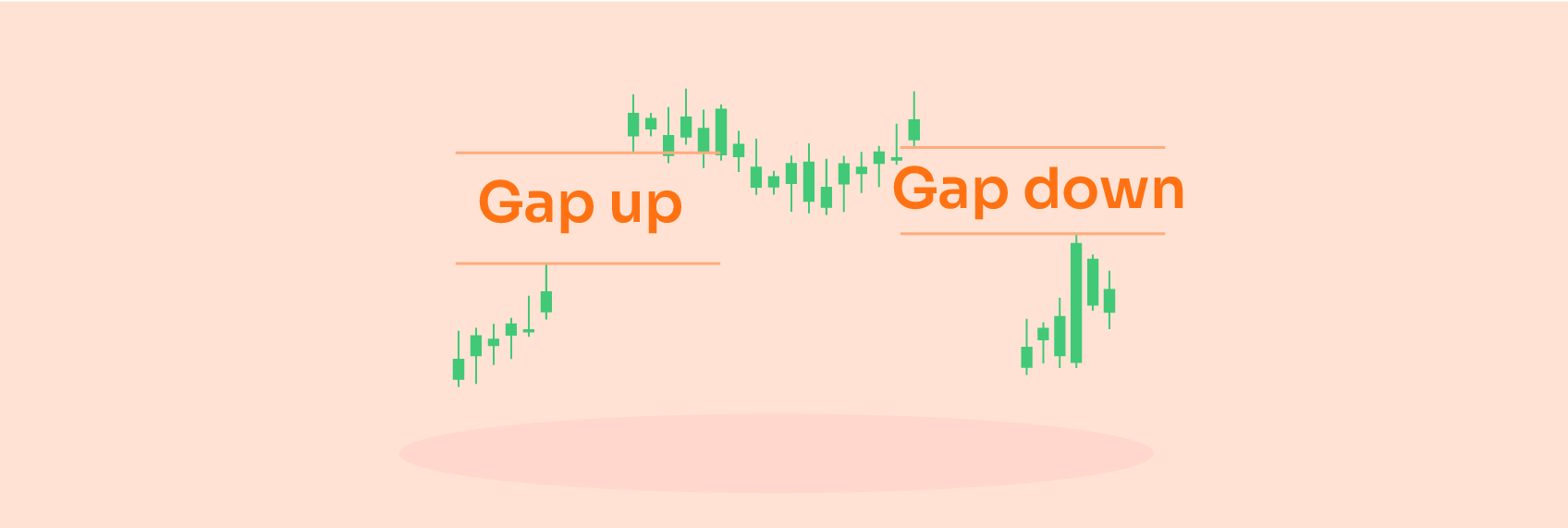
The stock market is a dynamic landscape where prices are constantly in flux. But sometimes, the market throws a curveball, and the opening price on a new trading day differs significantly from the previous day's closing price. This price discontinuity is known as a gap, and it can be quite a sight to behold. This blog delves into the world of gap ups and gap downs, exploring their causes, implications, and how they can be interpreted for informed trading decisions.
What is a gap up opening?
A gap up occurs when the opening price of a stock is significantly higher than the previous day's closing price. This price jump suggests a surge in buying pressure, potentially indicating:
- Positive News: Favourable company news, industry developments, or strong economic data can trigger a gap up, as investors rush to buy the stock in anticipation of rising prices.
- Short Squeeze: If a stock has been heavily shorted (investors betting on the price to fall), a sudden shift in sentiment can lead to a short squeeze. Short sellers scramble to buy back shares to cover their positions, driving the price up and creating a gap.
- Continuation of an Uptrend: In an established uptrend, a gap up can signal a continuation of the bullish momentum, with buyers eager to enter the trade at higher prices.
What is a gap down opening?
A gap down occurs when the opening price of a stock is significantly lower than the previous day's closing price. This price drop suggests a surge in selling pressure, potentially indicating:
- Negative News: Adverse company news, industry downturns, or weak economic data can trigger a gap down, as investors rush to sell their holdings to avoid further losses.
- Profit-Taking: After a strong rally, investors might take profits by selling their shares, leading to a gap down as the selling pressure outweighs buying interest.
- Bearish Engulfment: In a downtrend, a gap down can signal a potential acceleration of the bearish momentum, with sellers exerting dominance.
Important considerations while analysing gap up and gap down openings
Not all gaps are created equal. Here's how to interpret them effectively:
- Gap Size: Larger gaps tend to be more significant than smaller ones. A larger gap up suggests a stronger bullish sentiment, while a larger gap down indicates a more intense bearish pressure.
- Trading Volume: The trading volume accompanying a gap is crucial. High volume gaps are generally considered more reliable than those with low volume, as they signify stronger conviction behind the price movement.
- Market Context: Always consider the broader market context. A gap up in a rising market might hold more weight than an isolated gap up in a choppy market.
Gap up and gap down trading
Gaps can present potential trading opportunities, but they shouldn't be the sole factor in your decisions. Here are some reminders:
- Gaps Can Be Filled: Sometimes, gaps get filled later in the trading day or over subsequent days as the price action retraces. Don't chase a gap up or down blindly.
- False Signals Exist: Not all gaps accurately predict future price movements. Gaps can be misleading, especially if they occur due to isolated news events or short squeezes.
- Confirmation is Key: Look for confirmation of the gap's direction through technical indicators or other market signals to strengthen your trading decisions.
Conclusion
Gaps up and gap downs offer valuable insights into the sentiment prevailing in the market. By understanding the potential causes and interpretations of gaps, you can enhance your technical analysis and make more informed options trading decisions. However, remember that gaps are just one piece of the puzzle. Always practise proper risk management and combine gap analysis with other technical and fundamental factors before executing trades.