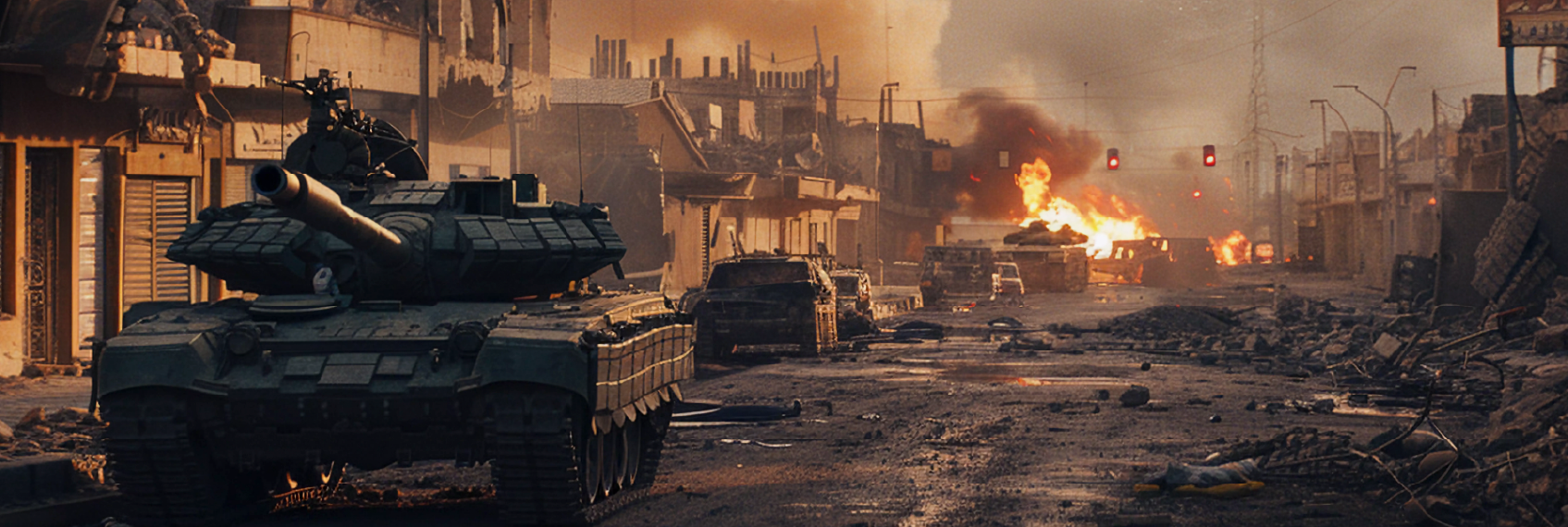
Geopolitics transcends national borders and disrupts the world economic order. The current tensions in West Asia are yet again a reminder of how closely linked these energy-dependent nations are with events beyond their borders. In India, where oil imports constitute a major share of the economy, a rise in oil prices following a geopolitical crisis will trigger a range of inflationary pressures.
In economics, oil price shocks are considered exogenous supply shocks, events beyond the economy that significantly affect economic activity. When oil prices rise following a geopolitical shock, it means that energy prices will shoot up for all industries, leading to a hike in prices in general, a phenomenon known as cost-push inflation.
As oil is a major input in transportation, manufacturing, agriculture, and other industries, a rise in oil prices will trigger a ripple effect in the economy. Oil price shocks will impact its economy in terms of inflation, its fiscal policies, its economic growth, and its labour markets.
There are various channels through which oil price shocks impact the Indian economy.
The price of what people pay at the petrol pump is an important contributor to inflation in India because it is a key input into the calculation of the Consumer Price Index (CPI). The CPI measures the changes in the average price of a variety of goods and services that people buy. Fuel prices, transport costs, food items, shelter, and manufactured goods are the big items that are included in the basket.
The fuel and transport categories are big items in the basket. So, when crude oil prices go up, fuel prices go up, and so does inflation. The effect does not stop at fuel prices alone; transport costs go up, which in turn causes food prices to go up because the food has to be transported from the farm to the market. Increases in crude oil prices also have a spillover effect on other prices. As prices go up, people demand higher wages to keep up with inflation.
A hike in oil prices is a constraint for the Indian government's budget policies. The responsibility of the government is to protect the public from a sudden increase in fuel prices, especially when the rate of inflation is rising.
The Reserve Bank of India (RBI) controls inflation through its monetary policy. India follows an inflation-targeting model in which the RBI targets to maintain inflation at a certain level. When oil prices fluctuate and push up inflation, the RBI can tighten its monetary policy by increasing the repo rate. The hike in rates absorbs liquidity and reduces demand, thus controlling inflation. However, there are costs associated with high rates that can affect growth.
The price increase affects the growth of the economy, measured as GDP growth, via various means. An increase in the price of oil means that the cost of production for many firms becomes high, thereby cutting into their profit margins and their desire to expand. On the other hand, an increase in the price of oil means that people have to spend more of their money on oil and other essential commodities, leaving little for discretionary spending. This reduction in spending is particularly felt in retail, travel, etc., thereby slowing down demand. The uncertainty about the price of oil causes firms to delay their investments, but since demand is also slowed down, the economy grows slowly.
Inflation resulting from the hike in crude oil prices, affects the job market as well. When the cost of production increases, the only solution for many companies is to cut down on the number of employees or delay the hiring process. Industries that are more affected by the increase in the price of oil are the manufacturing sector, the aviation industry, etc. When the production of these sectors is affected, the growth of the job market can slow down as well.
Moreover, the increase in the cost of living due to higher inflation results in a reduction in the amount of goods that can be purchased by employees, even if the salary is the same.
The fluctuations in the oil prices indicate that there are flaws in the Indian economic system. The dependence of the country on imported crude oil makes it prone to politics in the world.
To mitigate these risks, India is entering into renewable sources of energy, including solar and wind energy. The other measures that are being initiated are building strategic petroleum reserves and increasing the sources of imported crude oil.
To combat the oil-driven inflation, a series of macroeconomic policies are needed. The budget, for instance, can protect the worst-hit households with targeted subsidies or tax adjustments, whereas the central bank can control what people expect to happen to the general price level.
Besides, the efforts to drive through structural policies to cut dependence on imported fossil fuels can protect the economy from any potential geopolitical shocks. The additional sources of energy, the strategic reserves, as well as the accelerated investments in renewables, are going to be essential for making India more resilient to fluctuations in the price of oil.
The conflict in West Asia is an example of how geopolitical tensions can sometimes translate to big macroeconomic issues for nations that are heavily reliant on imported energy. When oil prices rise, inflation is pushed up from all sides: with higher fuel costs, disruptions to the supply chain, and a weaker currency as well.
In the Indian context, the spillovers from the West Asian conflict extend far beyond just the energy dimension. Inflation, fiscal policy, growth rates, and employment are all relevant issues. Controlling these spillovers requires a judicious mix that controls inflation without derailing growth. Maintaining energy security tight and further reducing dependence on imported oil will remain essential for supporting macro-economic stability over the medium term.

Tax Saving Deadline March 31: Key Financial Tasks You Must Complete
5 min Read Mar 17, 2026
From Locker Gold to Digital Gold: Why Indian Investors Are Shifting to Gold ETFs and Digital Gold
5 min Read Mar 16, 2026
Impact of the West Asia War on Crude Oil Prices: An Indian Perspective
5 min Read Mar 13, 2026
The Year-end V-Theory — Will it Play Out Again This Year?
5 min Read Mar 13, 2026
Gold: Tug-of-War Between Safe-Haven Demand and Macro Headwinds
5 min Read Mar 10, 2026
For android only