4 min Read Sep 12, 2023
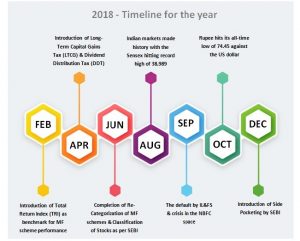
Long-term stocks refer to equity shares selected and held with a multi-year investment horizon — typically three to seven years or longer — based on a fundamental conviction in the company's business quality, competitive moat, earnings growth trajectory, and management capability. Long-term investing in equities is grounded in the principle that short-term price fluctuations are noise, while a company's intrinsic value — driven by compounding of returns on equity over time — is what ultimately determines wealth creation for patient investors. In India, studies of Nifty 50 returns consistently show that investors who held the index for any ten-year rolling period since its inception have generated positive returns, with longer holding periods smoothing out the impact of market cycles. Long-term stock investors focus on metrics like sustainable ROE, earnings growth CAGR, free cash flow conversion, and dividend growth rather than short-term P/E multiples or momentum signals. The LTCG (Long-Term Capital Gains) tax structure in India — with gains above ₹1.25 lakh taxed at 12.5% for shares held beyond one year — also incentivises a long-term holding approach.